


Adult day care centers provide safe, structured daytime environments for vulnerable adults who need supervision, social connection, and support during the day. They’re not nursing homes or residential facilities—they’re community-based programs where your loved one spends part of the day (usually 4-8 hours) while you get respite, work, or handle other responsibilities.
If you’re caring for an aging parent, an adult with a disability, or someone with dementia, adult day care centers can be a game-changer. They reduce caregiver burnout, keep your loved one engaged in community, and provide professional oversight in a structured setting. Let’s walk through what these centers actually do, who they serve, and how to find one that’s the right fit for your situation.
What Adult Day Care Centers Actually Do
Adult day care centers aren’t one-size-fits-all. They run two main models: social and medical.
Social model centers focus on activities, connection, and engagement. Think arts and crafts, group games, outings, fitness classes, and meals with other participants. The goal is keeping your loved one active, socially connected, and mentally stimulated. There’s oversight and safety protocols, but the emphasis is on quality of life and community inclusion.
Medical model centers provide more hands-on health support. These programs include nursing staff, medication management, physical therapy, occupational therapy, and health monitoring. They’re designed for people with more complex medical needs or those recovering from illness or injury.
Most centers operate during business hours (roughly 7 AM to 6 PM), though some offer extended or weekend hours. Your loved one arrives in the morning, participates in activities and meals, and you pick them up in the afternoon. Some centers offer transportation; others require you to drop off and pick up.
Who Adult Day Care Centers Serve
These programs work for a wide range of adults:
Related: Adult Day Programs for Special Needs: What They Are & How to Find One
- Older adults who live alone or with family caregivers
- People with Alzheimer’s disease or other dementias
- Adults with physical disabilities or mobility challenges
- Individuals with developmental disabilities
- People recovering from surgery or hospitalization
- Anyone needing supervision and structured support during daytime hours
The best centers are intentional about matching participants to the right program. Your loved one’s specific needs—mobility level, cognitive ability, medical complexity, social preferences—should guide the selection. A center that’s perfect for someone with early-stage memory loss might not work well for someone with significant physical care needs, and vice versa.
Why Families Choose Adult Day Care
The honest reason most families pursue adult day care: respite. Caregiving is hard. Whether you’re caring for a parent, an adult child, or a spouse, you need breaks. You need to work, run errands, rest, or just have time to yourself without guilt.
Related: What Is Adult Day Care? A Guide for Families
Adult day care centers give you that. Your loved one is in safe hands, engaged in meaningful activities, and supervised by trained staff. You get predictable, regular time away. That matters for your health, your job, and your ability to keep showing up as a caregiver.
Beyond respite, these centers offer participants genuine benefits: social engagement, structured activities, peer connection, and a sense of purpose. Many participants look forward to going. They make friends, learn new skills, and stay active in their community rather than staying home in isolation.
For some families, adult day care also buys time before more intensive care becomes necessary. It can delay or prevent nursing home placement by keeping your loved one at home longer while you get structured support.
How to Find and Evaluate Adult Day Care Centers
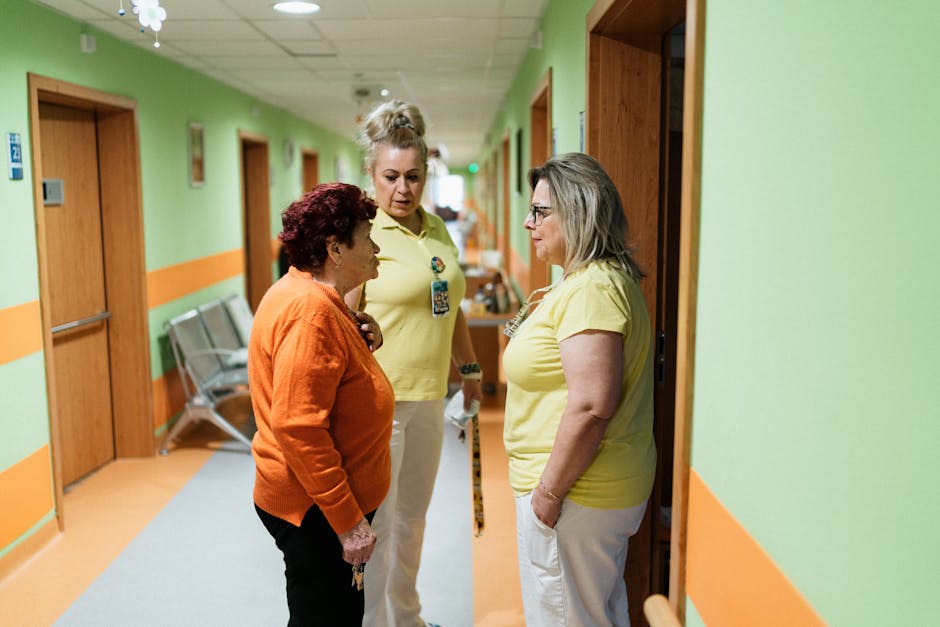
Start by asking your loved one’s doctor, social worker, case manager, or local aging services office for referrals. Most areas have several options, and your healthcare team often knows which centers have good reputations and fit specific needs.
When you’re comparing centers, here’s what to look for:
- Staff training and certification: Ask about staff backgrounds, training hours, and certifications. Are they trained in dementia care, disability support, or medical assistance if needed?
- Program philosophy: Does the center prioritize activity and engagement, or medical oversight? Does it match your loved one’s needs?
- Participant mix: Who else attends? Are the other participants similar in age and ability to your loved one? A program mixing high-functioning seniors with people with severe dementia might not serve anyone well.
- Daily activities and schedule: What does a typical day look like? Are activities meaningful and aligned with your loved one’s interests?
- Safety and accessibility: Is the facility clean and safe? Are bathrooms accessible? Is there emergency protocol documentation?
- Communication: How do they keep you updated? Daily notes? Weekly calls? Can you reach staff with questions?
- Food and nutrition: What meals and snacks are provided? Do they accommodate dietary needs or restrictions?
- Transportation: Do they provide it? Is there a cost? What’s the reliability like?
- Cost and payment options: Pricing varies widely based on location, program intensity, and hours. Ask about Medicaid, Medicare, VA benefits, or private pay options.
Visit in person. Watch how staff interact with participants. Are they warm and respectful, or rushed and dismissive? Do participants seem engaged and safe? Trust your gut.
Many established providers operate multiple locations, so you might have more than one center to choose from in your area. If the first one doesn’t feel right, try another.
Payment and Funding Options
Adult day care is typically not free, and costs vary significantly by location, program type, and your loved one’s care needs. Some centers charge a daily rate; others charge monthly. Both Medicaid and Medicare can help cover costs in some cases, depending on your eligibility and your state’s specific programs.
Some families use VA benefits if the participant is a veteran. Others rely on private pay or a combination of funding sources. Because costs and coverage options are complex and vary by state and individual situation, ask the center directly about payment models and request a personalized quote based on your loved one’s specific needs and schedule.
Many centers also have relationships with local case managers or social workers who can help navigate funding and eligibility questions.
Adult Day Care vs. Other Options
It helps to understand how adult day care fits into the broader landscape of care.
Adult day care is different from in-home care, where a caregiver comes to your home to provide support while you’re there or away. In-home care services like those offered by Anointed Homes LLC give you more flexibility and allow your loved one to stay in their own home full-time.
It’s also different from residential group homes, where your loved one lives with other adults in a shared home setting with 24/7 support.
Related: In-Home Care Alternatives to Group Homes
And it’s not a nursing home or assisted living facility, which provide round-the-clock care and supervision.
Adult day care works best as part of a care plan. Many families combine adult day care with in-home support, family caregiving, or both. You pick the mix that works for your situation and budget.
Red Flags to Watch For

Not every center is well-run. Watch for these warning signs:
- Staff seem untrained, inattentive, or rude
- The facility is dirty, disorganized, or feels unsafe
- Staff are unwilling to answer questions or seem secretive
- Participants look neglected, bored, or distressed
- There’s no clear communication plan or way to reach staff
- Costs are hidden or vague
- Staff turnover seems very high
- Your loved one consistently complains or becomes withdrawn after attending
Trust your instincts. If something feels off, it probably is.
Making the Transition Smooth
Starting adult day care can feel awkward for your loved one. They might resist at first, worry about the unknown, or feel anxious being away from home.
Most centers recommend starting with short days or partial weeks so your loved one can adjust gradually. Bring them on a tour before the first day. Let them ask questions and meet staff. Explain what to expect in simple, reassuring language.
Some centers offer a trial period where you can try a few days before committing. That’s a good sign—it shows they’re invested in making sure it’s a good fit.
It usually takes 2-4 weeks for participants to adjust and feel comfortable. Be patient. Most people do adjust and come to enjoy the routine and social connection once they settle in.
Questions to Ask the Center During Your First Call
- What’s your program philosophy—social model or medical model?
- What activities and services do you offer?
- Who are your typical participants, and would my loved one fit well?
- What are your staff qualifications and certifications?
- What’s your daily schedule and what are drop-off/pick-up times?
- Do you provide transportation?
- What meals and snacks are included?
- How do you handle medical needs and medications?
- What’s your cost structure, and what payment options do you accept?
- Can we visit or arrange a trial day?
Next Steps: Finding Your Center
Start by calling your local aging services office, disability services coordinator, or your loved one’s healthcare provider. They can give you names and phone numbers of adult day care centers in your area that match your needs.
Make a list of 3-5 centers to contact. Call, visit, and ask questions. Bring your loved one if possible so they can get a feel for the place.
If adult day care feels like part of the answer but you’re looking for more comprehensive support—whether that’s in-home care, community integration help, or ongoing residential support—Anointed Homes LLC specializes in helping adults with developmental disabilities stay safe, supported, and engaged at home and in their community. Different families need different solutions, and the best care plan often combines multiple services.
Related: Person-Centered Care for Developmental Disabilities: What It Means
Related: Person-Centered Care Planning for Developmental Disabilities
What’s the difference between adult day care and assisted living?
Adult day care is part-time—your loved one goes during the day and comes home at night. Assisted living is residential; your loved one lives there 24/7 with on-site staff. Adult day care is typically less expensive and keeps your loved one in their own home or with family.
Can my loved one refuse to go to adult day care?
If your loved one has capacity to make decisions, yes—they can refuse. If they lack decision-making capacity and you’re their legal guardian, you have the authority to require attendance, though it’s usually more successful if you can make it feel like their choice. Starting with trial days and involving them in the selection process helps.
How long can my loved one stay in adult day care?
There’s no set limit. Some people attend for a few months during a recovery period. Others attend for years. It depends on your loved one’s health, your needs, and whether the program continues to be the right fit.
Related: Adult Day Services: What They Are & How to Find the Right Program
Does Medicare or Medicaid cover adult day care?
Coverage varies by state and specific program. Some Medicaid waivers include adult day care services; some don’t. Medicare typically doesn’t cover standard adult day care, though it might cover specific medical services within a center. Contact your state’s Medicaid office or your case manager to understand what’s available in your situation.