


Day habilitation programs in Indianapolis are structured community-based services designed to help adults with intellectual and developmental disabilities build life skills, stay engaged, and live as independently as possible.
These programs aren’t nursing homes or group homes. Instead, they’re daytime support services where participants work on practical skills, connect with their community, and do meaningful activities tailored to their interests and goals. If you’re looking for support that keeps your loved one active, learning, and embedded in their community, this guide will walk you through everything you need to know.
Related: Pre-Vocational Training Support Indianapolis: Your Complete Guide
What Exactly Is a Day Habilitation Program?
Day habilitation is person-centered support delivered during daytime hours (typically 8 a.m. to 5 p.m., Monday through Friday, though schedules vary). The focus is on building or maintaining skills that help your loved one live more independently and participate meaningfully in their community.
Think of it as a structured environment where someone with a disability works toward personalized goals. That might mean learning how to use public transportation, practicing money management, developing work skills, building friendships, or simply staying active and healthy.
These programs serve adults age 18 and older who have been diagnosed with an intellectual disability, developmental disability, or related condition. They’re commonly funded through Medicaid waiver programs, which help make them accessible to eligible families.
Related: Day Programs for Autistic Adults: What to Know & How to Find Them
Related: Adult Day Services: What They Are & How to Find the Right Program
Related: Adult Day Programs for Special Needs: What They Are & How to Find One
Who Runs Day Habilitation Programs in Indianapolis?
Several established providers operate day habilitation services across the Indianapolis area, covering Marion, Morgan, Johnson, and Hendricks counties.
Major organizations include Adult Day Services, Aken Home Care, and Sycamore Services, which alone supports over 500 participants in comprehensive day programming. Each provider has its own philosophy, activity offerings, and community partnerships, so comparing a few is smart before you commit.
Beyond large agencies, smaller community-based organizations and nonprofits also run day programs. Some specialize in specific types of support (like job coaching or arts-based activities), while others offer broader, multipurpose habilitation. The variety means you have real options to find a fit that matches your family’s values.
Related: Family Support Services: What They Are & How to Access Them
What Do Day Habilitation Programs Actually Do?
Here’s what a typical day program looks like in practice.
- Life Skills Training: Participants learn cooking, laundry, budgeting, personal hygiene, and household management. These aren’t taught in isolation; they’re practiced in real-world settings whenever possible.
- Community Integration: Instead of staying in one building, participants get out into the community. That means shopping trips, visits to parks, volunteer opportunities, job training, and social outings.
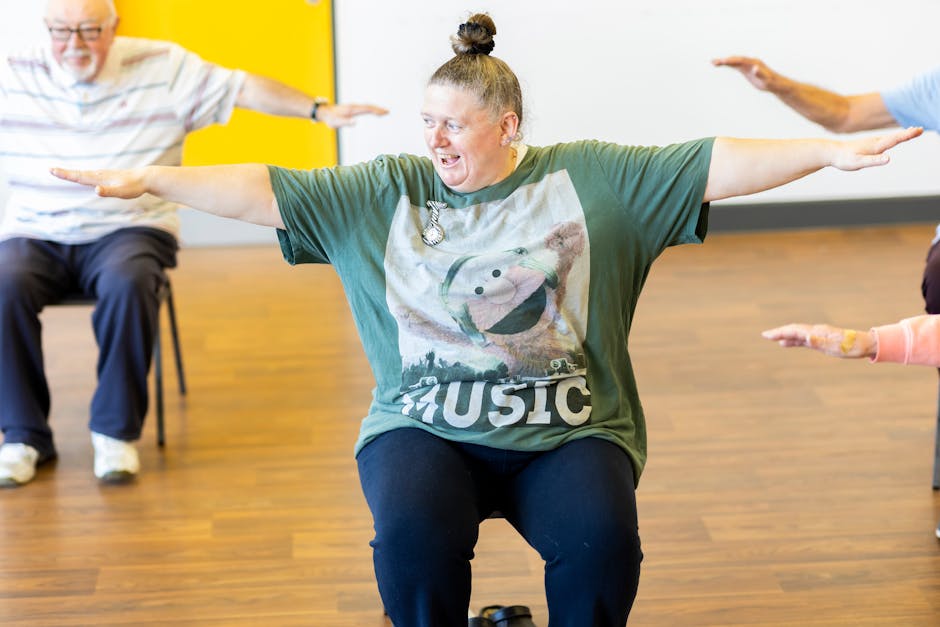
- Structured Activities: Programs offer art, music, fitness, games, educational workshops, and recreational activities. The idea is to keep people engaged and discover new interests.
- Social Connection: Group activities help participants build friendships and reduce isolation. This is especially valuable for people who live with family members and might otherwise spend a lot of time alone.
- Individualized Support: Each participant has a plan tied to their specific goals and needs. Progress is tracked, and plans adjust as someone grows or their circumstances change.
Not every program does everything the same way. Some emphasize employment readiness, others focus on leisure and social engagement. During your search, ask specific questions about what a typical day looks like and whether the program’s focus aligns with what your loved one needs right now.
How Day Habilitation Differs from Other Services

You might be weighing day habilitation against other options like group homes, residential care, or in-home support. Here’s the key difference: day habilitation is part-time, community-focused support during daytime hours.
If your loved one lives at home with family, day habilitation gives them structure and growth opportunities during the day while you work or take care of other responsibilities. It’s respite for caregivers and enrichment for participants.
Related: Autism Respite Care: What It Is & How to Find It
Some families pair day habilitation with evening or weekend in-home support (like what Anointed Homes LLC offers) to create a comprehensive support system that keeps someone home while ensuring they get professional assistance whenever they need it.
Related: Participant Assistance Care Indianapolis: What You Need to Know
How to Find Day Habilitation Programs Near You
Start by contacting your loved one’s case manager if they already have one, or your local Indiana FSSA disability services office. Case managers coordinate all disability services and can point you toward funded programs in your area.
You can also call to get connected with Indianapolis day habilitation services inquiries. That’s a reference line that can point you toward current providers and answer basic questions about eligibility and enrollment.
Once you have a few programs in mind, visit in person if possible. Meet the staff, see the facilities, and talk to other families. Ask about their approach to person-centered care, community integration, and how they handle safety and medical needs.
Who Qualifies and How Does Funding Work?
To qualify for day habilitation, your loved one generally needs a documented intellectual or developmental disability. Eligibility is confirmed through an assessment coordinated by the state’s disability services agency or your case manager.
Most programs are funded through Medicaid waiver programs. This means if your loved one qualifies, the program is often covered with little to no out-of-pocket cost to your family. Your case manager can confirm which waiver applies.
The waiver system has waiting lists in some areas, so eligibility isn’t automatic. Your case manager can explain your loved one’s status and how long enrollment might take in your specific county.
Some smaller programs or specialized services might operate on a sliding-scale fee basis or accept private insurance. It’s worth asking each program about payment options upfront.
What Makes a Good Day Habilitation Program?
Not all programs are equal. Here’s what to look for when you’re evaluating options.
- Person-Centered Philosophy: The program should build its activities and goals around what your loved one wants and needs, not a one-size-fits-all model.
- Real Community Engagement: If the program claims to offer community integration but participants spend all day in-house, that’s a red flag. Look for evidence of actual community outings and connections.
- Staff Training and Stability: Ask about staff backgrounds, training requirements, and turnover rates. Consistent, trained staff make a huge difference in safety and outcomes.
- Safety Protocols: Understand how the program handles medication management, medical emergencies, and crisis support. Your loved one’s safety comes first.
- Communication with Family: You should get regular updates on progress, challenges, and how your loved one is doing. Good programs keep families in the loop.
- Flexibility and Responsiveness: Life changes. A good program should adjust support as your loved one’s needs evolve.
Person-centered day programs are widely regarded as improving social engagement and quality of life for adults with intellectual disabilities compared to more segregated settings.
Day Habilitation as Part of a Bigger Picture
Day habilitation works best when it’s part of a coordinated support system. Many families combine it with other services like residential support, in-home care, or specialized therapies depending on their loved one’s needs.
Related: Residential Habilitation Services Indianapolis: What You Need to Know
For example, if your loved one lives at home with you and you need consistent evening and weekend help, adding in-home habilitation services alongside a day program creates round-the-clock, comprehensive support. Organizations like Anointed Homes LLC specialize in residential habilitation that complements daytime community programs, ensuring your loved one gets continuous, coordinated care that keeps them safe at home while they’re growing and engaging in the community.
Talk with your case manager about what a full support plan might look like for your family. Don’t settle for piecing things together randomly. Good disability services are intentional and coordinated.
Next Steps: Getting Started
If day habilitation sounds like the right fit, here’s your action plan.
- Step 1: Contact your case manager or your local Indiana FSSA disability services office to confirm your loved one’s eligibility.
- Step 2: Get a list of active providers in your county. Ask which programs have openings and what the waitlist looks like.
- Step 3: Visit at least two programs in person. Pay attention to the energy, cleanliness, staff interactions, and whether participants seem engaged and valued.
- Step 4: Ask each program for references from other families. Hearing from people who actually use the service is invaluable.
- Step 5: If you need additional in-home support to fill gaps, explore options like Anointed Homes LLC, which provides personalized residential habilitation that works seamlessly alongside day programs.
FAQs About Day Habilitation Programs in Indianapolis
How much does a day habilitation program cost?
If your loved one qualifies for Medicaid and is on a disability waiver, the program is typically fully covered with no out-of-pocket costs. If you’re looking at private pay or insurance options, costs vary by provider. Ask each program about their specific pricing and whether they accept your insurance or offer financial assistance.
Can my loved one attend a day program part-time?
Yes, many programs offer flexible scheduling. Some participants attend full-time (5 days a week), while others come 2-3 days per week. Your loved one’s schedule should be tailored to their needs and your family’s situation. Discuss scheduling during the enrollment conversation.
What if my loved one has significant medical needs?
Some day programs are equipped to handle medical support (like medication administration or dialysis support), while others aren’t. Be upfront about your loved one’s medical needs during your program visits and ask specifically how they accommodate them. If a program can’t meet those needs, ask for referrals to programs that can.
How do I know if my loved one is making progress?
Good programs track participant progress against individual goals and share regular updates with families. You should receive progress reports, ideally monthly or quarterly, and have opportunities to meet with program staff to discuss how your loved one is doing and adjust goals as needed.