

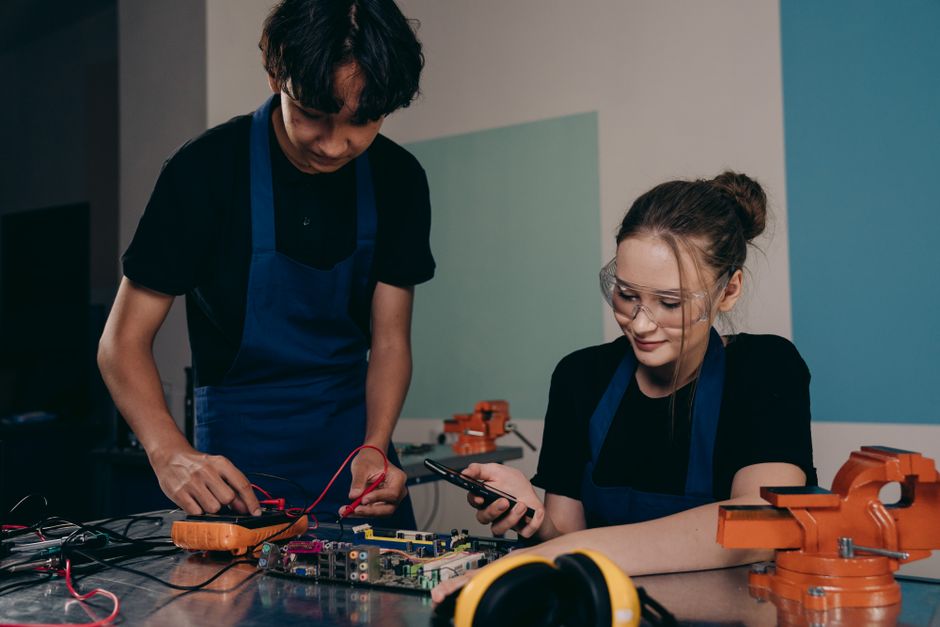
Pre-vocational training support in Indianapolis is way more accessible than most families realize. If you or someone you care about is looking to build work skills, explore career options, or prepare for employment, Indiana offers free programs that can actually change the trajectory of someone’s life and independence.
Here’s what you need to know to get started.
What Is Pre-Vocational Training and Who Should Consider It?
Pre-vocational training is basically job readiness on steroids. It’s not about jumping straight into a full-time job. Instead, it’s structured support that helps people develop the foundational skills they need to succeed in the workplace.
We’re talking soft skills like showing up on time, communicating with coworkers, following instructions, and handling workplace safety. It also includes exploration of different career interests, exposure to real work environments, and building confidence around employment.
Pre-vocational programs are especially valuable for young adults and adolescents with developmental or intellectual disabilities who are transitioning from school into adult life. But honestly, anyone feeling unsure about their career direction or needing a confidence boost in the workplace can benefit.
Related: In-Home Care for Developmental Disabilities in Indiana: Your Complete Guide
Related: In-Home Support Services for Autism: A Complete Guide
Related: Family Services Indianapolis: Guide to Local Support Options
Indiana’s Pre-ETS Program: The Foundation
Indiana’s Pre-Employment Transition Services (Pre-ETS) program is your entry point. It’s a state-funded initiative designed specifically to help eligible students and young adults get ready for work before they even enter vocational rehabilitation formally.
The program runs through county-based providers across Indiana, and the good news is it comes at no cost to you. Many participants also receive a stipend to help offset expenses while they’re training.
Related: Participant Assistance Care Indianapolis: What You Need to Know
To access Pre-ETS services, you typically need to:
- Be a student in the school system or a young adult within certain age ranges (eligibility varies, so confirm with your local county provider or Indiana FSSA)
- Have a documented disability or condition that may affect employment
- Show interest in working or exploring employment options
- Connect with your local Pre-ETS coordinator or case manager
If this sounds like your situation, Anointed Homes LLC can also help coordinate support as you navigate training and work readiness, especially when you need practical daily assistance alongside career development.
Finding Pre-Vocational Training Programs Near You
Indianapolis and the surrounding Indianapolis area has multiple pathways to pre-vocational training, and Indiana makes it easier than you’d think to locate them.
INTraining: Your Official Resource
Start with Indiana’s official INTraining platform. It’s a searchable database of occupational training programs designed to support employment and career advancement. You can filter by location, career field, program type, and financial aid availability. This is your one-stop shop for seeing what’s actually available in and around Indianapolis.
Healthcare Career Training Focus
If healthcare interests you or your family member, there’s real momentum here. Indianapolis has multiple healthcare training programs specifically designed for people seeking entry-level or mid-career positions. These programs often include:
Related: 24 Hour Home Health Care Indianapolis: Complete Guide
- Direct support professional (DSP) training
- Home health aide certification
- Certified nursing assistant (CNA) prep
- Healthcare customer service and administrative roles
- Financial aid and career counseling built into the program
Healthcare roles are actually ideal for people with developmental disabilities who want meaningful work, flexible scheduling, and real growth potential. The field needs people, the demand is steady, and many programs offer on-the-job training.
Free Apprenticeship and Pre-Apprenticeship Programs
This is huge and often overlooked: Indiana offers free pre-apprenticeship programs with a $1,000 stipend for all participants. These programs prepare you for registered apprenticeships in skilled trades like electrical work, plumbing, HVAC, construction, and manufacturing.
Pre-apprenticeship removes barriers by providing training at no cost and helping you decide if the trade is right for you before you commit to a full apprenticeship.
How to Access Pre-Vocational Training: Step-by-Step

Step 1: Verify Your Eligibility
Contact your local county Pre-ETS provider or reach out to Indiana FSSA directly. You can email fs**********@*****in.gov or call the state coordinators (Joanne Kautzman-Murillo or Jonathan Kraeszig) to confirm eligibility and learn what services apply to your situation.
Step 2: Connect with Your Coordinator
Your county Pre-ETS provider will assign a coordinator who becomes your main contact. They’ll help you assess interests, identify realistic career goals, and match you with programs that fit.
Step 3: Explore Career Options
Pre-vocational training includes actual exploration. You might try different work activities, visit job sites, shadow employees, or take short assessments to figure out what energizes you vs. what drains you. This experiential piece is crucial.
Step 4: Enroll in a Training Program
Once you’ve narrowed down a direction, your coordinator will help you apply to and enroll in a specific program. This might be healthcare training, an apprenticeship track, or a specialized career pathway. Financial aid is often available if you qualify.
Step 5: Get Job Placement and Career Services Support
Many programs include dedicated career counseling, interview prep, resume building, and actual job placement services. This means you’re not just trained and sent off—you have ongoing support finding and landing a position.
Throughout this entire journey, having stable support at home matters. That’s where Anointed Homes LLC comes in, offering residential support and community integration help so your family can focus on the training and employment piece without stress about daily care or transportation.
Career Expos and Networking Events
Indianapolis regularly hosts career expos and job fairs that bring together training providers, employers, and job seekers. These events are goldmines for learning about real opportunities, talking to employers directly, and sometimes landing interviews on the spot.
In 2026, look for regional career expos typically scheduled in late summer and fall. Many of these events feature 20+ participating employers across healthcare, manufacturing, retail, hospitality, and skilled trades.
Ask your Pre-ETS coordinator about upcoming events. These are free to attend and a great way to build confidence and make connections.
Financial Support and Stipends
Pre-ETS services and most pre-vocational programs come at no cost. Many participants also receive:
- Monthly stipends while in training
- Free pre-apprenticeship with a $1,000 signing bonus
- Financial aid through training programs (grants, scholarships, or payment plans)
- Childcare and transportation assistance in some cases
- Work-related expenses like uniforms, tools, or licensing fees
Because funding varies by program and eligibility, ask your coordinator specifically what support you might qualify for. Don’t assume you’ll have to pay out of pocket.
Common Barriers and How to Overcome Them
Transportation
Getting to training or a job site can be the biggest hurdle. Some programs provide transportation assistance. Others coordinate with public transit. Talk to your coordinator early about this—it’s a solvable problem, not a deal-breaker.
Work-Related Anxiety
If workplace stress or social anxiety is a concern, mention it upfront. Your coordinator can match you with a program that includes job coaching or peer mentoring. You can also ask about accommodations once you’re employed.
Family Support and Coordination
Pre-vocational training works best when your whole support system is aligned. Your family, case manager, and training provider should be communicating. If coordination feels chaotic, bring it up. You deserve clarity.
After Training: Employment and Ongoing Support
Once you complete pre-vocational training, the support doesn’t stop. Most programs include job placement help, and you may transition into vocational rehabilitation services if you need longer-term employment support.
Some employers in Indianapolis are genuinely committed to hiring and retaining people with disabilities. Look for organizations with disability inclusion initiatives. They tend to offer better accommodations and advancement paths.
Post-employment support is real too. Job coaches, mentors, and your case manager can stay involved as you settle into a new role, helping you troubleshoot challenges and celebrate wins.
Building a Full Support Plan
Pre-vocational training is one piece of a bigger life plan. While you’re building work skills, you also need stability at home, reliable transportation, and emotional support. residential support services in Indianapolis can handle the daily living piece so you and your family can focus energy on employment goals without everything else falling apart.
Next Steps
Ready to explore pre-vocational training in Indianapolis?
Start here:
- Email fs**********@*****in.gov or call Joanne Kautzman-Murillo to learn about Pre-ETS eligibility and local providers
- Visit INTraining to browse available programs in your area
- Ask your school’s special education coordinator or disability case manager about connections to Pre-ETS
- Check your county’s vocational rehabilitation office for upcoming career expos and training enrollments
Pre-vocational training is genuinely life-changing when it’s the right fit. The programs exist. The funding exists. Now it’s about connecting the dots for your situation.
FAQs About Pre-Vocational Training Support in Indianapolis
How long does pre-vocational training typically take?
Timeline varies wildly depending on the program and your goals. Some pre-vocational modules run 4-8 weeks. Others are ongoing for months. Pre-apprenticeships often take 6-12 months before you transition into a registered apprenticeship. Your coordinator will give you a realistic timeline once you’re enrolled. The goal is thorough readiness, not speed.
Can I do pre-vocational training while still in high school?
Yes. Pre-ETS services specifically target students who are still in school but transitioning toward work. Schools often partner with vocational providers to offer training during the school day or after-school. Talk to your school’s special education or transition coordinator about in-school pre-vocational options.
What if I’m over 22 and missed Pre-ETS eligibility?
You may still qualify for vocational rehabilitation services through Indiana FSSA, which can include pre-vocational training. Eligibility rules and age cutoffs vary, so contact your county VR office or vocational counselor to learn what options apply to you. Don’t assume you’re ineligible—just ask.
Do I have to commit to a job after pre-vocational training?
No. Pre-vocational training is exploration and skill-building. If you realize a particular career isn’t right, you can pivot. Your coordinator can help you explore other options or try a different training path. The goal is to find something sustainable that fits your strengths and interests, not to force you into a job you’ll hate.