


In-home assistance with daily activities for disabilities is non-medical support that helps people manage the everyday tasks that matter most. Instead of moving to a facility, you stay in your own home with a trained caregiver helping you with bathing, dressing, meal prep, grooming, and mobility. It’s personalized, it’s flexible, and it keeps you embedded in your community and your own space.
If you’re looking for practical help managing daily life with a disability, this guide walks you through what in-home assistance looks like, what it covers, and how to figure out if it’s right for you.
Related: In-Home Care for Developmental Disabilities in Indiana: Your Complete Guide
Related: Daily Living Assistance for Indianapolis Adults: A Guide
What Counts as Daily Activity Assistance?
Daily activity assistance falls into two main categories: Activities of Daily Living (ADLs) and Instrumental Activities of Daily Living (IADLs). Knowing the difference helps you understand what kind of support might help most.
ADLs are the basics: bathing and showering, grooming and personal hygiene, getting dressed, eating, walking and mobility, transfers (like getting in and out of bed or a wheelchair), and toileting. These are the things most people do on their own every single day without thinking about it. When a disability makes these harder or impossible, a caregiver steps in to help safely.
IADLs are the household management side: meal planning and cooking, light housekeeping, laundry, grocery shopping, medication reminders, and errands. These tasks take more planning and often involve leaving the house or managing the home environment. A lot of people with disabilities can handle ADLs but need backup with IADLs, or vice versa.
Types of In-Home Assistance with Daily Activities
In-home assistance is customized to your situation. Here are the most common kinds of support:
- Personal hygiene support: Help with bathing, showering, grooming, hair care, and staying clean. A caregiver ensures safety in the bathroom and dignity throughout.
- Dressing and grooming help: Assistance picking out clothes, getting dressed, choosing shoes, and managing personal appearance the way you want.
- Mobility and transfer assistance: Support with walking, balance, and transfers if you use a wheelchair or have trouble moving safely. This keeps you from falling and helps you stay active.
- Meal preparation: A caregiver shops for groceries, plans meals, cooks, and makes sure you eat well. This can also include feeding assistance if needed.
- Household support: Light housekeeping, doing laundry, tidying your space, and keeping your home safe and clean.
- Medication reminders: A caregiver reminds you to take medications on schedule. This is a non-medical reminder, not an injection or hands-on clinical task.
- Community integration support: Help getting out to appointments, social activities, or just enjoying your neighborhood safely.
How In-Home Assistance Works in Practice
Before any caregiver shows up, you or your family should expect a professional assessment. A specialist talks with you about your specific needs, your home setup, your goals, and what matters most to you. This might be safety, independence, community time, or all of the above.
From that assessment, a customized care plan gets built. This plan lays out exactly what support you’ll get, when, and how often. It’s not one-size-fits-all. Someone with a spinal cord injury might need transfer and mobility help. Someone else might need mainly meal prep and medication reminders. A third person might need a mix of everything.
Caregivers go through training specific to your needs. If you use a wheelchair, they learn safe transfer techniques. If you have sensory issues or behavioral support needs tied to your disability, they’re trained on that too. The goal is to make you feel supported, not managed.
Many families find that Anointed Homes LLC offers a good starting point because they focus on understanding each person’s full life picture, not just checking boxes on a task list.
Who Needs In-Home Assistance with Daily Activities?
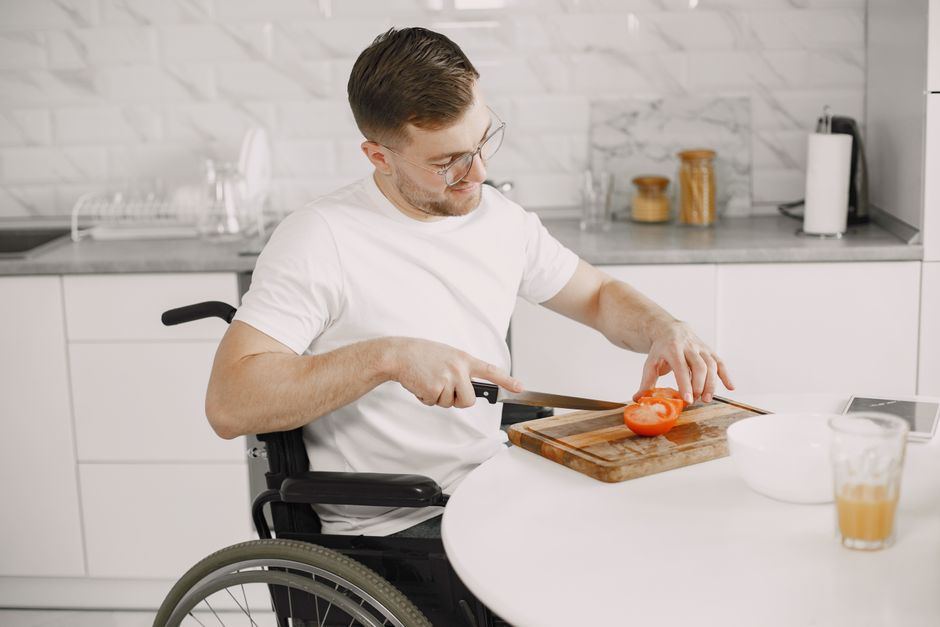
In-home assistance helps a lot of different people. You might benefit from it if you:
- Have a developmental or intellectual disability that makes daily tasks harder
- Use a wheelchair or have mobility challenges
- Struggle with personal hygiene, dressing, or eating on your own
- Need medication reminders or help managing a daily routine
- Want to stay in your home instead of moving to a group setting or facility
- Are coming home from a hospital stay and need temporary or ongoing help
- Have a caregiver (family member) who is burned out and needs respite support
If you’re a family member or guardian, in-home assistance can also give you peace of mind and much-needed breaks. Respite care is a real thing, and asking for help is a strength, not a weakness.
What Makes Good In-Home Assistance Different
Not all in-home care is the same. The best in-home assistance respects your dignity, listens to what you actually want, and fits into your life the way you want to live it.
Good caregivers treat you as a person, not a task list. They show up on time, they communicate, they respect your boundaries, and they’re trained to handle the specific disability you navigate. They also understand that you might want to do some things yourself, even if it takes longer. Independence looks different for everyone, and a good caregiver respects that.
Families often ask how to find reliable, trained caregivers who actually fit. This is where working with an agency or provider who specializes in disability support makes a difference. Anointed Homes LLC focuses specifically on developmental and intellectual disabilities, which means their caregivers understand these support needs from the ground up.
Funding and Coverage Options
In-home assistance services can be funded through several paths, but costs and coverage vary widely based on your situation, location, and specific needs.
Many people use Medicaid waivers, which are programs designed to help people with disabilities stay in their homes and communities instead of moving to institutions. If you think a waiver might apply to you, talk to your case manager or contact your state’s Medicaid office directly. They can explain eligibility rules and what is or isn’t covered in your situation. Don’t assume based on what worked for someone else.
Some families pay out of pocket, either fully or as a copay if insurance or a waiver helps cover part of it. Others combine funding sources. The price depends on how many hours you need, what type of support, whether it’s daily or just a few times a week, and where you live.
The best first step is to get a professional assessment and a personalized quote. A provider can tell you what your actual costs might be and help you explore funding options that fit your family.
Getting Started with In-Home Assistance

If you think in-home assistance might help, start by being clear about what you actually need. Write down the daily tasks that are hardest. Think about safety concerns. Ask yourself what independence looks like for you.
Then reach out to providers in your area who specialize in disability support. Ask about their assessment process, how they train caregivers, and how they customize care plans. Ask for references. Ask about their experience with your specific disability.
A good provider will answer your questions thoughtfully, offer a free or low-cost assessment, and never pressure you into services you’re not sure about. They understand that trust matters and that you’re making a big decision about who comes into your home and helps with intimate daily tasks.
If you’re in the Indianapolis area and want to explore what in-home assistance looks like, Anointed Homes LLC can walk you through options and answer questions about how personalized care plans work in practice.
FAQs About In-Home Assistance with Daily Activities
What’s the difference between in-home assistance and nursing care?
In-home assistance focuses on helping with everyday living tasks like bathing, dressing, meals, and housekeeping. It’s non-medical support. Nursing care involves clinical tasks like wound care, injections, or monitoring health conditions. Many people need both, or just one or the other. A professional assessment will clarify what you actually need.
Can I choose my own caregiver, or does the agency assign one?
This depends on the provider. Some agencies involve you in picking your caregiver or at least introduce you first so you can see if it’s a good fit. Others assign caregivers based on availability and training. Ask any provider upfront how they match caregivers to clients. It matters a lot.
How often do caregivers typically come, and can the schedule change?
Schedules are totally flexible and based on your needs. Someone might need care five days a week for three hours, or daily for eight hours, or just a few hours on weekends. If your needs change, your care plan should change with it. A good provider builds in flexibility because life isn’t static.
What if I don’t get along with my assigned caregiver?
You should speak up right away. A mismatch between caregiver and client can happen, and good providers take this seriously. Tell your case manager or the agency directly. They should work to find a better match. You deserve to feel safe and respected in your own home.