


Vocational preparation programs for intellectual disabilities are designed to help people develop real job skills and find meaningful work in their community. These programs focus on building confidence, teaching practical abilities, and supporting people toward competitive employment alongside coworkers without disabilities.
If you’re a family member or caregiver wondering what’s possible for your loved one, the answer might be more hopeful than you think. Many people with intellectual disabilities can work, earn competitive wages, and contribute in ways that matter to them. It starts with the right preparation and support.
What Vocational Preparation Programs Actually Do
Vocational preparation isn’t just classroom training. It’s hands-on, real-world skill building that happens in actual work settings, not in isolation.
Here’s what these programs typically include:
- Career counseling to help identify job interests and strengths
- Job skills training delivered by trained instructors
- Work experience in community settings (paid or unpaid internships)
- Job coaching during the learning phase
- Support developing soft skills like communication and punctuality
- Help navigating workplace expectations and social interactions
The goal isn’t to prepare someone for a sheltered workshop or day program. It’s to help them work in regular jobs, with real pay, alongside people of all abilities.
Pre-Employment Transition Services (Pre-ETS)
If your loved one is still in school, Pre-Employment Transition Services might already be available to them. These services help students develop work readiness skills before they leave the school system.
Pre-ETS typically covers job exploration, workplace readiness training, and early work experiences. The idea is to start building skills and confidence while there’s still support from school staff.
Your school’s special education team or vocational rehabilitation counselor can explain what’s available in your area. Start asking about it early so your loved one has time to try different things and figure out what works.
Vocational Rehabilitation (VR) Services
Vocational Rehabilitation is a public program that pays for employment preparation and support. If your loved one qualifies, VR can fund career counseling, job training, and ongoing employment support.
VR eligibility and coverage vary by state. In Indiana, you’ll want to contact your local VR office or work with your case manager to understand what’s available and what your loved one might qualify for.
VR isn’t guaranteed, and the process takes time, but it’s worth exploring if traditional funding is limited. Many families find that having a dedicated VR counselor makes a real difference in moving from training to actual employment.
Job Coaching and On-the-Job Support
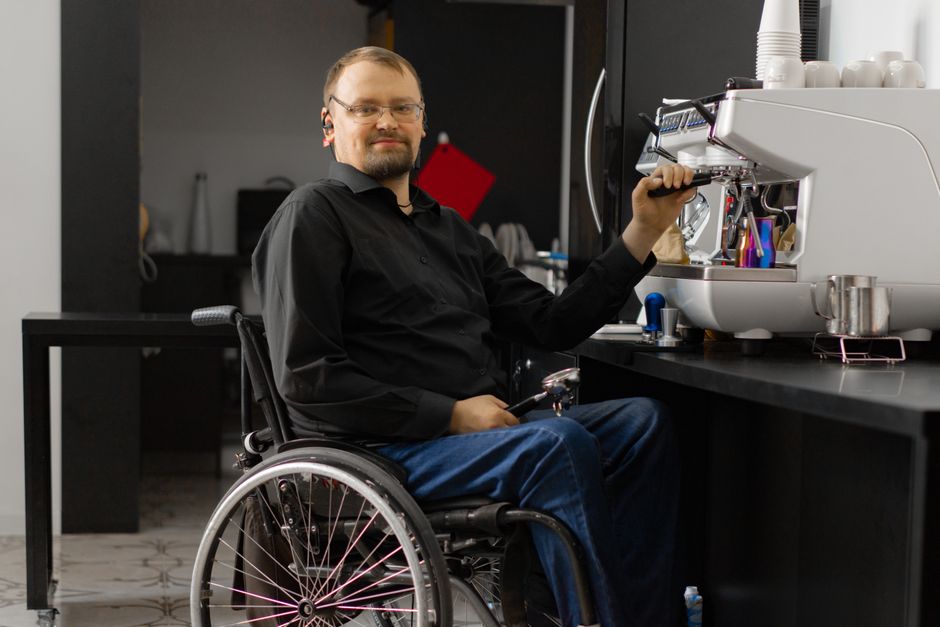
One of the most powerful parts of vocational preparation is job coaching. A job coach works alongside your loved one at the actual job site, teaching specific tasks and helping them learn the workplace culture.
Related: Community Integration Programs for Intellectual Disabilities
Job coaches fade their support over time. They might start by showing every step, then gradually step back as your loved one gains confidence and independence. The goal is for your loved one to do the job successfully on their own.
Good job coaches understand that people with intellectual disabilities learn differently. They break tasks into small steps, use hands-on practice, and celebrate wins along the way. This real-world support is where the real learning happens.
Skills Training Tailored to Real Jobs
Generic skills training doesn’t cut it. The best vocational preparation programs teach skills for specific, real jobs in your community.
For example, instead of a generic “customer service” class, training might happen at an actual grocery store, teaching your loved one how to stock shelves, operate the register, or assist customers the way that specific employer expects.
This approach works because your loved one learns in the actual environment where they’ll work. They get used to the sounds, the people, the rhythm of the job. When it’s time to work independently, the space is already familiar.
Community Inclusion Beyond Just Work
Vocational programs also help people feel part of their community. When your loved one works in a regular job, they’re building relationships with coworkers, contributing something valuable, and experiencing the dignity that comes with being employed.
This isn’t just about a paycheck (though that matters). It’s about feeling like you belong, having a reason to get up in the morning, and knowing you’re doing something that counts.
If your family is thinking about vocational preparation, it’s worth talking to Anointed Homes LLC about how employment and community inclusion can be part of a bigger plan for your loved one’s life at home and in the neighborhood.
Getting Started: What You Need to Do

First, understand what services exist in your area. If your loved one is in school, start with the school’s special education team. Ask about Pre-ETS and any vocational programs they offer.
If your loved one is no longer in school, contact your local Vocational Rehabilitation office or reach out to your case manager. They can explain eligibility and next steps.
Second, be honest about your loved one’s interests and strengths. Not everyone wants the same job. Some people thrive in food service, others in retail, warehousing, or support roles. The better you understand what your loved one actually enjoys, the more likely they are to stick with work and feel satisfied.
Third, be patient with the process. Vocational preparation takes time. There’s assessment, training, practice, and often multiple job tries before finding the right fit. That’s normal and okay.
Paying for Vocational Preparation
Costs vary depending on the program, your loved one’s needs, and the level of support required. Some services may be covered through school (while your loved one is still enrolled), Vocational Rehabilitation (if eligible), Medicaid waivers, or other public programs.
Contact your case manager or local VR office to understand what funding might apply to your situation. Eligibility and coverage rules change, so it’s important to verify what’s available now.
Many families find that combining different funding sources helps cover the full cost of comprehensive vocational support. This is worth exploring with a case manager who knows your family’s specific situation.
Supporting Your Loved One Beyond the Program
Vocational preparation is the start, not the finish line. Once your loved one is working, they may still need ongoing support.
Some people need periodic check-ins with a job coach. Others need help managing the non-work parts of their day (getting to work on time, managing stress, staying healthy). That’s where in-home support services can make a real difference, helping your loved one build routines and confidence that support their job success.
If you’re looking for comprehensive support that helps your loved one thrive both at work and at home, Anointed Homes LLC provides residential support in the Indianapolis area that can be part of a bigger picture of employment and community life.
Real Outcomes: What’s Possible
People with intellectual disabilities are working in regular community jobs right now. They stock shelves, assist in offices, work in food service, provide support in healthcare settings, and more.
Related: Community Living Support for Developmental Disabilities
The difference between someone who works and someone who doesn’t often comes down to whether they had access to the right preparation and support. Vocational preparation programs exist for exactly this reason.
Your loved one’s disability doesn’t determine their ability to work. The right preparation, realistic job matching, and ongoing support do.
How do I know if my loved one is ready for vocational preparation?
Most people with intellectual disabilities can benefit from vocational preparation. Readiness isn’t about IQ; it’s about your loved one’s interest in working and their ability to learn specific job tasks with support. Start by talking to a vocational counselor who can do a real assessment of your loved one’s interests and abilities.
What if my loved one tries a job and it doesn’t work out?
That’s part of the process. Most people try more than one job before finding the right fit. A job that doesn’t work out teaches everyone something valuable about what to look for next time. Don’t give up after one try.
Can my loved one earn a real wage, not just a stipend?
Yes. Competitive employment means your loved one earns at least minimum wage for the work they do, just like anyone else in that job would earn. Some vocational programs also support apprenticeships or other pathways to higher wages over time.
What happens if my loved one gets sick or needs to step back from work?
Talk with your employer, your vocational counselor, and your case manager about what flexibility or temporary leave is possible. Many employers are willing to work with employees who have disabilities, especially if the employee has been reliable and the relationship is solid. Your support team can help navigate this conversation.