


Community integration programs help people with intellectual and developmental disabilities participate in everyday life alongside their neighbors, friends, coworkers, and community members. Instead of living in isolated or institutional settings, these programs support individuals in activities they choose—whether that’s working, going to school, attending church, shopping, playing sports, or just spending time with people they care about.
If you’re looking for ways to help your loved one build a richer life in your community, understanding how these programs work is a great first step.
Related: Day Habilitation Programs Indianapolis: What They Are & How to Find One
What Are Community Integration Programs?
Community integration programs are services designed to help individuals with intellectual disabilities live as independently as possible within typical community environments. The goal isn’t to separate people into special programs or group settings—it’s to weave them into the fabric of everyday community life.
Related: Department of Intellectual and Developmental Disabilities: What It Does
Related: Community Integration Services for Developmental Disabilities
These programs typically include:
- Help accessing employment or volunteer work
- Support participating in recreation and leisure activities
- Assistance building and maintaining friendships and social connections
- Help with transportation to community activities
- Support managing finances and making decisions
- Guidance participating in education or skill-building opportunities
The key difference between community integration and traditional group home or facility-based care is the focus. Community integration keeps the person at the center of their own life, not in a program’s structure.
Why Community Integration Matters for Individuals with Intellectual Disabilities
Living in the community isn’t just nice to have—it directly affects overall health, happiness, and quality of life. When people with intellectual disabilities participate in regular community activities, they have better opportunities to build relationships, develop skills, and feel like valued members of society.
Community integration also benefits families. When your loved one is engaged in meaningful activities and supported to live as fully as possible, you can have peace of mind knowing they’re thriving, not just surviving. Many families find that seeing their family member participate in work they enjoy, make friends, or contribute to their community makes the entire experience of raising a child with a disability feel more hopeful.
Beyond the individual level, communities themselves become stronger when people with disabilities are included. Businesses benefit from reliable workers. Schools benefit from diverse student bodies. Neighborhoods benefit from the presence of all kinds of people. Inclusion isn’t charity—it’s good for everyone.
How Community Integration Programs Work in Practice
Every person’s needs are different, so community integration looks different for everyone. Here’s how the process typically unfolds:
Step 1: Understand What Your Loved One Wants
The first part of any good community integration program is asking questions. What does your loved one enjoy? What do they want to learn? What activities make them happy? Do they want to work? Make new friends? Volunteer? This isn’t about what a service provider thinks is good—it’s about real goals your family has for your loved one’s life.
Step 2: Identify Barriers and Plan Support
Once you know what matters, the next step is figuring out what support is needed to make it happen. Does your loved one need help with transportation? Social skills coaching? Job coaching? Help managing anxiety in new situations? Does the community activity need to be adapted in any way? A good program identifies these barriers honestly and creates a plan to address them.
Step 3: Provide Ongoing Support
Community integration isn’t a one-time event—it’s ongoing support. Someone familiar with your loved one helps them navigate new situations, builds relationships with employers or activity leaders, troubleshoots problems, and adjusts the plan as needed. This support might happen daily, weekly, or as-needed, depending on what the person needs.
Step 4: Build Independence Over Time
The goal is always to step back and let your loved one be as independent as possible. As they get comfortable with an activity or job, staff presence decreases. The idea is that your loved one eventually participates in community life the same way anyone else does—not because they need someone hovering, but because it’s part of their regular life.
Types of Community Integration Activities

Community integration programs support people in participating across many areas of life:
Employment and Volunteering
Work gives people purpose, income, independence, and social connections. Community integration programs help individuals find jobs that match their abilities and interests, then provide on-the-job coaching and support until the person can succeed independently. Some people work in traditional jobs with employer support. Others volunteer in their community.
Recreation and Leisure
Hobbies, sports, clubs, and activities are what make life fun. Community integration support helps your loved one join a gym, take a class, join a recreational sports league, attend concerts, or participate in whatever activities bring them joy.
Education and Skill Building
Learning doesn’t stop after high school. Community integration programs help individuals access adult education classes, life skills training, financial literacy courses, or other learning opportunities that interest them.
Social Connection
Making and keeping friends is one of the hardest parts of life for many people with intellectual disabilities. Support workers help facilitate friendships, practice social skills, participate in community events, and build genuine relationships with others.
Daily Living and Civic Participation
Community integration also means helping your loved one participate in ordinary life—shopping, managing money, voting, attending religious services, maintaining a home, or anything else that matters to them.
Finding and Accessing Community Integration Support
Community integration programs may be funded through Medicaid waivers, state disability services funding, local grants, or private pay arrangements. The funding source and availability vary by state and sometimes by county.
If your loved one is eligible for Medicaid waiver services in Indiana, community integration or “community habilitation” support might be a covered service. The best way to find out is to speak with your case manager at the Indiana Family and Social Services Administration or through your local disability services coordinator.
You can also reach out to Anointed Homes LLC to discuss what community integration support looks like and how it fits into a person’s overall care plan. Anointed Homes LLC provides in-home care and community integration assistance in the Indianapolis area and can help you understand your options.
What Makes a Community Integration Program High-Quality?
Not all programs are created equal. Here’s what to look for:
- Person-centered: The program is built around your loved one’s preferences and goals, not around what’s easiest for the provider.
- Flexible: Support adjusts as your loved one’s needs change. It’s not a one-size-fits-all approach.
- Relationship-focused: Staff members know your loved one well, understand their communication style, and genuinely care about their success.
- Community-based: Activities happen in the real community, not in segregated or facility-based settings.
- Focused on growth: The program is always looking for ways to increase independence and reduce reliance on support staff.
- Responsive to family input: Your perspective as a family member matters. Good programs listen and adjust based on your feedback.
Common Challenges and How to Address Them
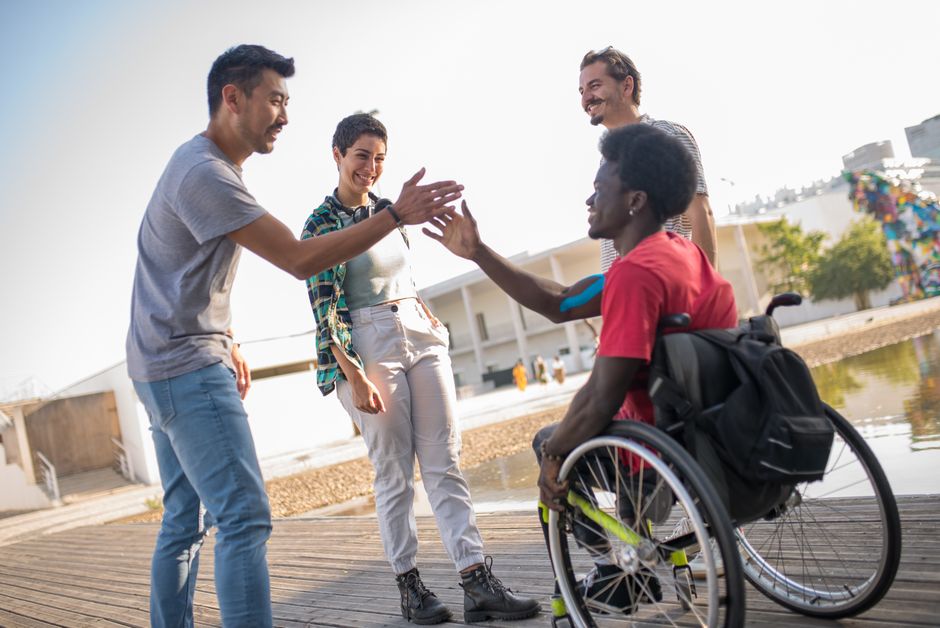
Community integration sounds great in theory, but it takes work. Here are common obstacles families face:
Limited Funding
Community integration services aren’t always affordable or available. If funding is an issue, ask your case manager about what’s covered under your loved one’s waiver or benefits, and explore whether private pay options are feasible for your family.
Transportation Barriers
Getting to community activities can be hard if your loved one can’t drive independently. A quality program either provides transportation support or helps solve this problem creatively.
Staff Turnover
When support workers leave, it’s disruptive. Good programs invest in training and retention so your loved one isn’t constantly rebuilding relationships with new staff.
Finding Employers and Community Partners Who Are Willing
Not every business is ready to hire someone with an intellectual disability, and not every community organization welcomes people with disabilities. Persistence and relationship-building help. Over time, as employers and organizations see how much people with disabilities contribute, attitudes change.
If navigating these challenges feels overwhelming, Anointed Homes LLC can help you think through creative solutions and connect your loved one with real community opportunities.
Questions to Ask When Choosing a Community Integration Program
Before signing your loved one up with any program, ask these questions:
- How do you get to know each person and their individual goals?
- What community activities are already available, and can you help my loved one access activities they choose?
- How often will support be available, and can we adjust it as needs change?
- How do you communicate with families? How often can we check in?
- What is your process for problem-solving when something isn’t working?
- How do you help your participants build real relationships in the community?
- What is your staff retention rate, and how do you train your team?
What is the difference between community integration and day programs?
Day programs provide structured activities in one location, often with groups of people who have disabilities. Community integration support helps your loved one participate in regular community activities alongside everyone else. Day programs can be part of community integration, but community integration goes much further—it’s about real inclusion in typical community life.
How much does community integration support cost?
Costs vary widely depending on where you live, what level of support is needed, and who provides the service. Some services are covered by Medicaid waivers, some are funded through state or local programs, and some are private pay. To understand what community integration might cost for your loved one, request a personalized quote from a provider and discuss funding options with your case manager.
Can someone with severe intellectual disabilities benefit from community integration?
Yes. Community integration isn’t just for people with mild or moderate disabilities. People with significant support needs can participate in community life—it just requires more creative problem-solving and more hands-on support. Your loved one’s level of disability doesn’t mean they have to be excluded from community participation.
How do I know if my loved one is ready for community integration?
Every person is ready for some level of community integration. The question isn’t whether someone is ready, but what kind of support and what types of activities make sense for them. Even someone who needs significant supervision can participate in community activities with proper support in place.