


What Is Residential Habilitation Care?
Residential habilitation care is a form of daily support and training that helps people with intellectual and developmental disabilities live more independently in their own homes or community settings. Instead of moving to an institution or group facility, a person receives personalized assistance and supervision right where they live—whether that’s their own apartment, a family home, or another community-based environment.
The goal is simple: help your loved one develop life skills, stay healthy, and participate in activities that matter to them. It’s support designed around the person, not the other way around.
The Core Components of Residential Habilitation Care
Residential habilitation isn’t just one thing. It’s a package of services working together to support daily life.
Related: What Does Residential Habilitation Mean? A Guide for Families
Related: What Is Adult Day Care? A Guide for Families
Personal Care & Daily Assistance
This includes help with bathing, dressing, grooming, meals, and household tasks. A care provider might assist with these activities or supervise your loved one while they do them—building independence is part of the mission.
Health & Medical Support
Care staff help manage medications, coordinate with doctors, track health needs, and make sure your loved one stays safe and healthy. This isn’t nursing care, but it’s active management of day-to-day health concerns.
Life Skills Training
One of the most powerful parts of habilitation is teaching skills that expand independence. This might include cooking basics, money management, using public transportation, or social skills for making friends. Every person’s goals are different.
Supervision & Oversight
A trained care provider is present to watch over your loved one, respond to needs, and keep them safe. The level of supervision varies based on individual needs—some people need 24-hour support, others need check-ins at certain times.
Community Integration Support
Habilitation isn’t about staying home all day. It’s about getting out into the community—going to work, volunteering, joining activities, visiting friends, or just enjoying public spaces. Care staff help make those outings possible and meaningful.
Where Residential Habilitation Happens
The setting is the key difference from traditional care models. Residential habilitation takes place in community-based environments where your loved one actually lives—not in a group home, nursing home, or medical facility.
Common settings include:
- A person’s own apartment or home
- A family home where they live with relatives
- Shared housing with roommates
- Any other non-institutional community residence
The idea is to keep your loved one embedded in the community they know, close to family, and surrounded by the people and places that matter to them. That’s real life—not a medical environment.
How Residential Habilitation Care Differs From Other Services

It’s easy to confuse different types of disability support. Here’s what makes residential habilitation unique.
Not Nursing Care
Residential habilitation is not medical nursing. There are no RNs providing medical procedures (though staff coordinate with doctors). It’s everyday support for living well.
Not Group Homes or Facilities
Group homes and assisted living facilities are congregate settings where multiple unrelated people live together under one roof. Residential habilitation is customized to individual homes and preferences. You’re not trying to fit your loved one into a program; the program fits around them.
Not Crisis or Temporary Care
Respite care is short-term relief for family caregivers. Residential habilitation is ongoing, permanent support designed to help someone thrive long-term in their chosen home and community.
If you’re looking for in-home support that keeps your family member integrated in community life while building independence, Anointed Homes LLC specializes in exactly this kind of personalized residential habilitation in the Indianapolis area.
Who Qualifies for Residential Habilitation Care?
Residential habilitation is designed for individuals with intellectual and developmental disabilities who need ongoing daily support to live safely and meaningfully in the community.
This might include people with:
- Down syndrome
- Autism spectrum disorder
- Cerebral palsy
- Intellectual disabilities
- Other developmental conditions requiring long-term support
Eligibility and what gets paid for varies. Many states use Medicaid waivers to fund residential habilitation, but coverage rules, age requirements, and what counts as “habilitation” can differ. If you think your loved one might benefit, talk to your case manager or local disability services coordinator about what’s available where you live.
What Happens During a Day With Residential Habilitation?
A typical day looks different for every person because habilitation is customized. But here’s a real example of what support might look like:
Your son wakes up. A care provider arrives to help him shower and get dressed, then makes breakfast together. They practice budgeting while shopping for groceries. In the afternoon, they go to a job training program or volunteer site. Later, the provider helps prepare dinner and reminds him to take his medications. Evening might be a community outing—a movie, dinner out, or visiting friends. The provider stays nearby, available if needed, but giving space for independence.
Another person might have different needs and a different day. The point is that habilitation wraps around your loved one’s life, not the reverse.
The Philosophy Behind Residential Habilitation
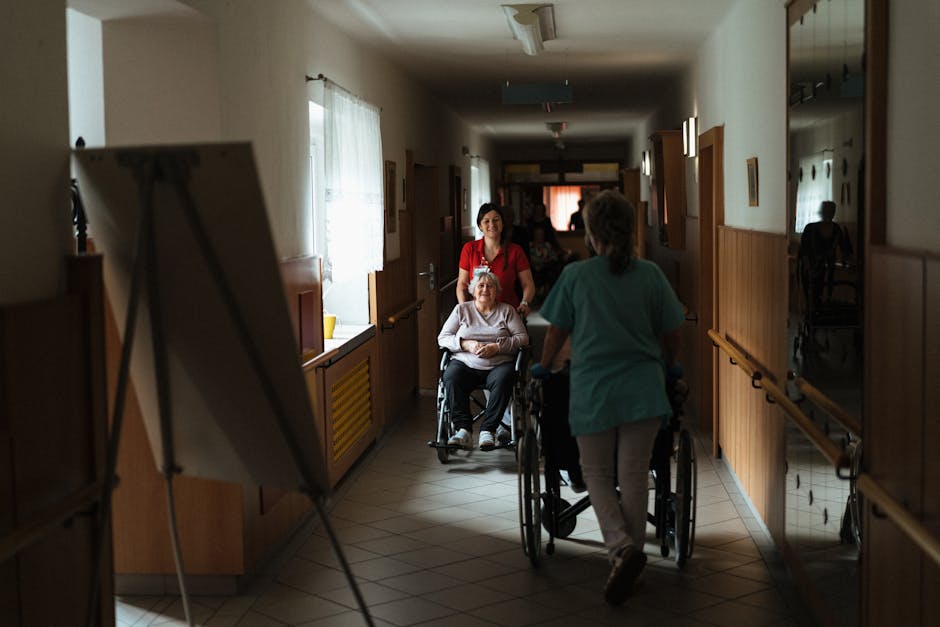
At its heart, residential habilitation care is about dignity and belief in potential. It says: “Your loved one belongs in the community. They can learn new skills. They deserve to have a home of their choosing. They can do more than we might initially think.”
It’s the opposite of the old institutional model that kept people with disabilities separate and hidden away. Habilitation says independence—or at least more independence—is possible with the right support.
That doesn’t mean everyone will become fully self-sufficient. But with patient, skilled support, many people make progress on skills they never thought they could learn. And even when independence isn’t realistic, the dignity of living at home, being part of the community, and having choices is huge.
Getting Started With Residential Habilitation
If you think residential habilitation might be right for your family, here are the steps:
1. Talk to Your Case Manager or Disability Services Coordinator
They’ll help you understand what’s available in your state and whether your loved one qualifies. Eligibility and funding vary.
2. Understand the Funding Options
Many families use Medicaid waivers, but there are other options too. Ask what programs exist locally and what paperwork you’ll need.
3. Find a Licensed Residential Habilitation Agency
You’ll want an agency with trained, experienced staff who share your values around independence and community inclusion. Ask about staff training, supervision quality, and how they customize support.
4. Start With a Conversation About Goals
Before signing anything, talk openly about what you hope for your loved one. What skills matter most? What community activities are important? What worries you most about their safety and independence? Good habilitation providers will spend time understanding these goals.
When you’re ready to explore what residential habilitation looks like in practice, Anointed Homes LLC can walk you through how personalized, home-based support works.
Common Questions About Residential Habilitation Care
Is residential habilitation care the same as respite care?
No. Respite care is temporary relief for family caregivers—usually short-term, a few hours or days. Residential habilitation is ongoing, permanent support designed to help someone live independently in their home and community. They serve different purposes, though a family might use both.
Can residential habilitation help my loved one work?
Yes. Part of habilitation often includes support for employment or volunteer work. Care staff can help prepare for a job, get to work on time, and troubleshoot challenges once someone is working. Employment is one of the best ways to build independence and community connection.
How many hours per day does residential habilitation provide?
It depends on individual needs. Some people need support 24 hours a day, seven days a week. Others need help only during certain hours or days. The level of support is tailored to what your loved one actually needs to be safe and successful.
What does residential habilitation cost?
Costs vary widely depending on the level of support needed, local rates, and the provider. Many families use Medicaid waivers to pay for habilitation, which can cover most or all of the cost—but coverage rules differ by state. Ask your case manager or a licensed provider to give you a specific estimate based on your loved one’s needs.