


Person-centered care for developmental disabilities is straightforward: it puts the person at the center of every decision about their life and support.
Instead of fitting someone into a pre-made care plan, person-centered care starts by asking: What does this person want? What are they good at? What matters to them? Then the care, services, and support get built around those answers.
If you’re navigating disability services in Indiana, this approach can feel like a breath of fresh air. Let’s walk through what it actually looks like in practice, why it matters, and how to make sure your loved one gets the benefit of it.
Related: Adult Day Care Centers: What They Are & How to Choose
What Person-Centered Care Actually Means
Person-centered care is built on a simple but powerful idea: the person with a developmental disability is the expert on their own life.
Related: Department of Intellectual and Developmental Disabilities: What It Does
A traditional care approach might focus on what someone can’t do. It measures support by diagnoses and limitations. Person-centered care flips that. It starts with what the person can do, what they enjoy, and what a good life looks like to them.
This applies to medical care, residential support, day activities, community involvement, and everything in between. The person’s goals, preferences, and strengths guide the plan. Not a checklist. Not an institutional template.
The Four Core Areas of Person-Centered Planning
When a real person-centered plan gets built, it covers four main areas:
- Strengths and abilities: What can your loved one do? What do they do well? What are they proud of? These become the foundation.
- Personal goals: What does your loved one want in life? Work? Friends? A dog? Time in the garden? These goals shape the entire plan.
- Medical and health needs: What conditions, medications, or health monitoring does the person need? How do those fit into their daily life and goals?
- Support services needed: What help does the person actually need to live safely and reach those goals? Home care? Community access? Job coaching? Respite support?
A good person-centered plan weaves all four together. It doesn’t treat health needs as separate from life goals. It makes sure medical support actually helps the person live the life they want, not the other way around.
Why Communication and Presumed Competence Matter
Two principles make person-centered care work: good communication and something called presumed competence.
Presumed competence means you start by assuming the person can learn, understand, and make choices—not by assuming they can’t. It sounds basic, but it changes everything. Instead of talking about someone, you talk with them. Instead of deciding for them, you support them in deciding.
That requires real listening. Not yes-or-no questions fired at someone. Not a five-minute conversation shoehorned into a busy appointment. It means time, patience, and different communication methods if someone uses AAC devices, pictures, or touch to express themselves.
When Anointed Homes LLC works with families on in-home care, this kind of communication is foundational. The goal is always to understand what the person wants from their day, their support, and their life—and then make that happen.
The Right Amount of Support (Not Too Much, Not Too Little)
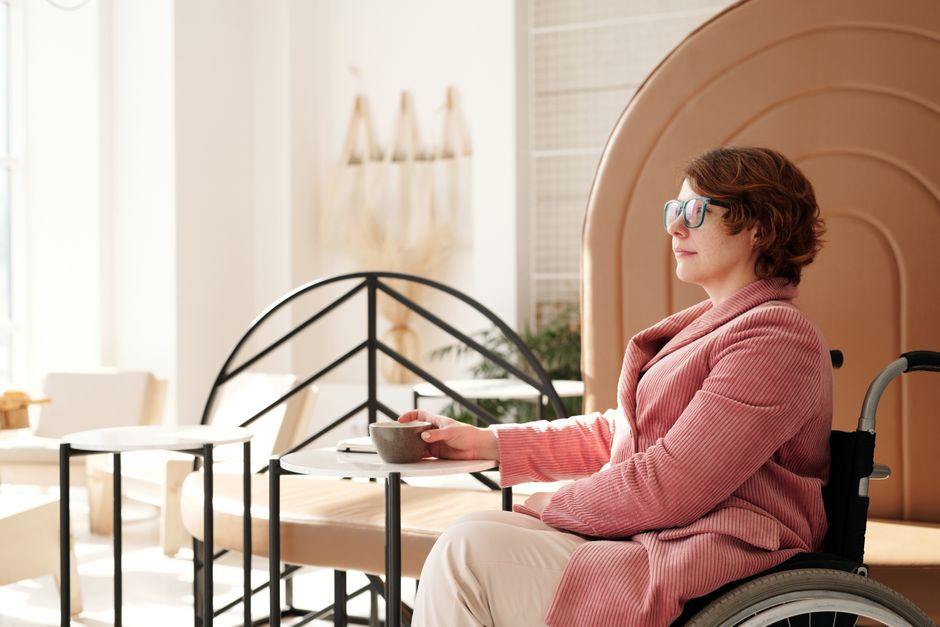
One sneaky problem in disability services is either under-support or over-support. Sometimes people don’t get the help they need. Other times, they get so much support that they lose independence or choice.
Related: Community Integration Services for Developmental Disabilities
Related: In-Home Care for Developmental Disabilities in Indiana: Your Complete Guide
Person-centered care is about finding the sweet spot. The person gets exactly the support they need to be safe and reach their goals—no more, no less.
Example: If your loved one wants to make breakfast, a person-centered approach doesn’t do it for them. But it doesn’t leave them alone to figure out a stove unsafely either. It might mean a staff person staying nearby, asking guiding questions, or helping with specific steps. The person does as much as they can. Support fills the gap.
This balance takes real skill and attention. It means staff who know the person well, who communicate constantly with family, and who understand that supporting someone is different from controlling them.
How Person-Centered Care Works in Real Life
Let’s look at a concrete example.
Say your son loves animals and wants to volunteer at an animal shelter. A traditional care plan might say: “Participant attends day program five days a week.” Done.
Related: Participant Assistance Care Indianapolis: What You Need to Know
A person-centered plan would look different. It might say: “Support the person to explore animal-related volunteer opportunities. Identify barriers (transportation, sensory needs, communication support). Build a plan with the shelter. Provide job coaching and transportation. Check in regularly on how it’s going and adjust.”
The plan exists to serve the person’s goal, not the other way around.
The same approach applies to health care. If your daughter needs medication management, a person-centered approach doesn’t just dispense pills. It asks: Does she understand why she takes this? Can she participate in taking it herself? Is the schedule working with her daily life? Is the side effect of drowsiness keeping her from activities she loves? If so, is there another option?
This kind of thoughtful care takes communication, time, and providers who actually know your loved one. That’s where partnerships between families and caregiving teams become crucial.
Putting It Together: Medical, Social, and Community Support
The strongest person-centered care plans don’t treat medical needs, home support, social life, and community activities as separate silos.
They integrate them. Health care supports the person’s goals. Home support is designed around the person’s daily rhythms and preferences. Community time is built into the schedule. Social connections are treated as seriously as medications.
This is why person-centered care often works better than institutional or facility-based approaches. Your loved one stays in their home, with their community, their routines, their people. Support comes to them, customized to their actual life.
If you’re looking for care that takes this approach seriously, residential habilitation and support services rooted in person-centered planning can make a real difference. The difference shows up in daily quality of life, health outcomes, and how safe and valued your loved one feels.
Getting Started: Questions to Ask Your Provider

If you’re evaluating care or support services, here are some questions that reveal whether person-centered care is actually happening:
- How do you learn what this specific person wants and needs? How often do you listen and adjust?
- How is the person involved in planning their own care? How do you support them to make choices?
- Can you tell me about this person’s strengths and goals? (A good provider can speak about this in detail.)
- How do you balance support with independence? How do you know if someone needs more or less help?
- How often do you talk with family? How do you handle it when the person and family have different ideas?
- What happens if the plan isn’t working? How quickly do you adjust?
Real person-centered care providers can answer these questions clearly and specifically. They talk about your loved one as a person, not a diagnosis. They explain how they listen and adjust. They see themselves as part of your team, not the authority.
Why Research Backs This Approach
Person-centered planning isn’t new, and it’s not just theory. Research in peer-reviewed literature has documented positive outcomes for people receiving person-centered care: better health, more community involvement, greater life satisfaction, and fewer behavioral challenges.
The evidence is strong enough that person-centered care is now a best practice standard across disability services. But knowing it’s best practice and actually getting it are two different things. Many families still struggle to find providers who truly implement it.
That’s why it matters to be specific when you’re asking for it. Don’t just assume. Ask. Listen to how providers answer. Watch how they interact with your loved one. Person-centered care shows up in the small details: the way staff ask what someone wants before acting, the flexibility in routines, the genuine relationships with the people they support.
Making Person-Centered Care Work for Your Family
If you’re building or refining a care plan, here’s what to push for:
- Start with your loved one’s strengths, not deficits. What do they love? What are they good at?
- Get clear on goals. What does a good life look like to them? Not to you, to them. (They might be different, and that’s okay.)
- Make sure health support serves those goals, not the other way around.
- Find providers who communicate constantly with family and adjust based on what they learn.
- Keep your loved one at the center of decisions, even in the small things. What time do they want to wake up? What’s for lunch? Who do they want to spend time with?
When families and providers align on person-centered care, everything shifts. The person feels respected and heard. The care is actually tailored. Safety and support happen naturally because they’re built on real knowledge of the person, not assumptions.
FAQs About Person-Centered Care for Developmental Disabilities
Is person-centered care the same as person-centered planning?
Person-centered planning (PCP) is the process of building a plan with the person at the center. Person-centered care is living and supporting that plan day-to-day. Think of it this way: planning is the blueprint. Care is the house you build and live in. Both matter.
What if my loved one can’t communicate what they want?
Communication might look different, but it’s still possible. Some people communicate through behavior, body language, preferences, or consistency. Others use AAC devices, pictures, or sign language. A good provider learns how your specific person communicates and listens carefully. They also involve family, who often know best what your loved one is trying to say.
Does person-centered care cost more?
Costs vary by provider and level of need. Some providers charge more because they invest in staff training and take time for real planning. Others find that person-centered care actually reduces costs over time because it prevents crises and hospitalizations. Request a personalized quote from any provider you’re considering. Ask how they implement person-centered care and what that includes in their fees.
What if my loved one’s goals conflict with safety?
This is real and hard. A good provider doesn’t just say no. They problem-solve with you. Can the goal happen with more support? Different timing? A modified version? Sometimes the answer is no, but it’s a no that’s been thought through carefully with the person and family, not an automatic institutional rule.