

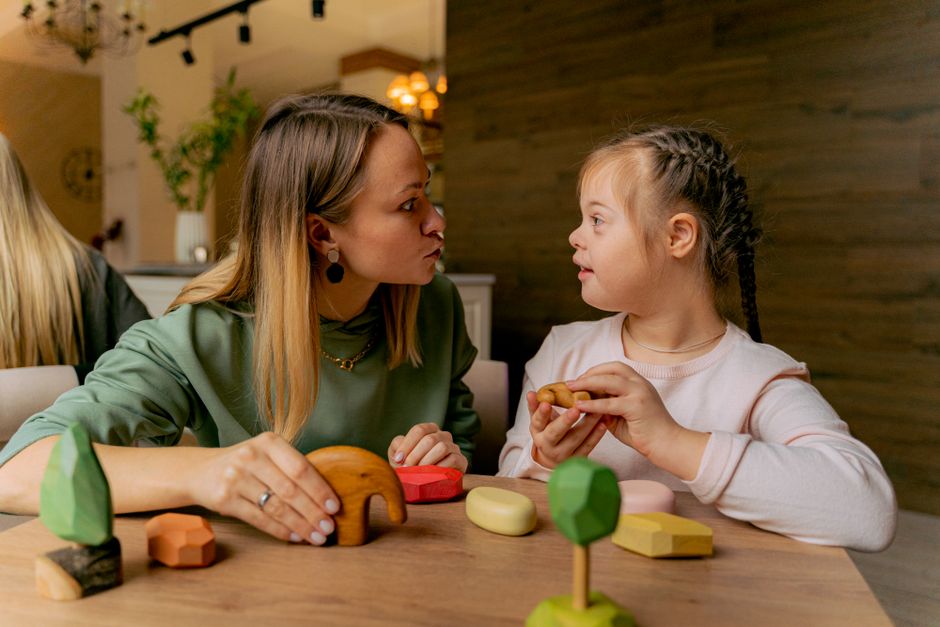
Person-centered care planning starts with a simple but powerful idea: the person with a developmental disability should direct their own support plan, not the other way around.
Instead of providers deciding what services someone needs based on diagnoses alone, person-centered planning asks: What does this person want their life to look like? What are their strengths? What matters most to them? Then the care team builds a plan around those answers.
If you’re a family member or guardian trying to make sure your loved one gets the right supports, understanding person-centered care planning can change everything about how services are delivered. Let’s walk through how it works and why it matters so much for people with developmental disabilities.
Related: Person-Centered Care for Developmental Disabilities: What It Means
What Person-Centered Care Planning Actually Means
Person-centered care planning is a structured conversation between you, your loved one, their healthcare providers, and support staff. The goal is to create a detailed plan that reflects your loved one’s preferences, abilities, and life goals.
The key word here is person. The plan belongs to them. It’s built on their dreams and choices, not on what’s easiest or most convenient for the service provider.
This approach recognizes that every person with a developmental disability is unique. Two people might have the same diagnosis but completely different goals for their daily life. One person might want to learn a new skill and work in the community. Another might prioritize spending time with family and enjoying hobbies at home. Person-centered planning captures those differences and creates individualized support around them.
When you work with an organization like Anointed Homes LLC, the team sits down to understand not just what your loved one needs medically or therapeutically, but how they want to spend their day, who they want to see, and what brings them joy.
The Key Parts of Person-Centered Care Planning
A solid person-centered plan covers several important areas:
- Strengths and abilities: What can your loved one do well? This might be practical skills, talents, interests, or personal qualities. Building on strengths is more powerful than just fixing problems.
- Personal goals and dreams: What does your loved one want to accomplish in the next year or five years? Getting a job, learning to cook, spending more time in the community, building friendships.
- Health and medical needs: Documented medical conditions, medications, preventive care, specialists, and how to manage health alongside daily activities.
- Home and community supports: What help does your loved one need to live safely at home and participate in community life? This might include personal care assistance, transportation, help with communication, or supervision.
- Communication style: How does your loved one express themselves? What words, signs, or behaviors mean yes or no? How do they show distress or contentment?
- Preferences and dislikes: What activities does your loved one enjoy? What environments feel comfortable? What should be avoided?
- People who matter: Who are the key relationships? Family members, friends, support staff, spiritual community.
- Action steps and responsibility: Who will do what, by when, to support these goals? Clear assignments prevent things from falling through the cracks.
Why Person-Centered Planning Changes Outcomes
When a care plan is built around the person’s own goals and preferences, several things improve right away.
First, your loved one is more engaged. If they’ve helped shape the plan and it reflects what actually matters to them, they’re more likely to participate in their supports and activities. Motivation comes from within when the goals are truly theirs.
Second, providers get a much clearer picture of who your loved one is as a person. Healthcare workers and support staff understand not just the diagnosis, but the individual. They know what triggers anxiety, what brings happiness, how to communicate effectively, and what daily rhythms work best. This leads to better, more tailored care.
Third, gaps in services become obvious. Maybe your loved one wants to volunteer in the community, but there’s no one available to provide transportation support. Or they need dental work but have sensory challenges that make appointments difficult. Person-centered planning surfaces these unmet needs so you can address them.
Fourth, everyone involved moves toward the same goals. When the plan is written down and shared with all team members, there’s less confusion and more coordination. The occupational therapist, the home care worker, the case manager, and the family are all supporting the same vision.
How to Start Person-Centered Care Planning

If your loved one doesn’t have a person-centered plan yet, the process begins with reflection and conversation.
Step 1: Gather the right people. This usually includes your loved one (if they can participate), you as a family member or guardian, key care staff, the case manager, and sometimes a healthcare provider or care coordinator. You don’t need a huge team, but you need people who know your loved one well and people with authority to make decisions.
Step 2: Ask the right questions. Instead of focusing only on problems, start with strengths. What is your loved one good at? What do they enjoy? What makes them laugh? What daily activities could they do with a little support? These questions build momentum and hope.
Step 3: Listen to your loved one’s voice. If they can express preferences in any way, that goes in the plan. If they use words, use them. If they communicate through behavior or nonverbal cues, document those patterns. Their voice matters most, even if it takes longer to understand.
Step 4: Be specific about goals. “Improve social skills” is vague. “Attend the community coffee shop every Thursday with a support person to practice ordering and chatting with regulars” is specific and measurable. Concrete goals make it clear when progress is happening.
Step 5: Write it down clearly. The plan should be readable and accessible. Family members should understand it. Your loved one should understand it in whatever way makes sense for them. It’s not a legal document full of jargon; it’s a working guide.
Step 6: Assign responsibility. Who does what? Be clear. “Sarah will take medication at 8am” is clearer than “medication will be managed.” “Mom will call the doctor” is clearer than “medical needs will be addressed.”
Step 7: Review and adjust regularly. Person-centered plans aren’t set in stone. As your loved one grows, learns, and changes, the plan changes with them. Review it at least annually and more often if something major shifts.
If you’re feeling overwhelmed by this process, support from experienced care coordinators can help. Organizations that understand developmental disabilities and know how to facilitate person-centered planning can guide your family through each step and make sure nothing gets missed.
Related: In-Home Care for Developmental Disabilities in Indiana: Your Complete Guide
Making Person-Centered Planning Work in Daily Life
A beautiful plan means nothing if it doesn’t actually change how care happens day-to-day.
The people providing direct support to your loved one need to know the plan and embrace it. If the plan says your loved one wants to learn to make their own breakfast, then staff should step back and coach them through it, even if it’s slower. If the plan prioritizes community time, then transportation and staffing need to actually enable that to happen.
This is where continuity matters. When the same people work with your loved one over time, they internalize the plan. They know the goals, they notice progress, they adjust as needed. Frequent staff changes or poor communication between teams can undermine even a great plan.
That’s one reason why in-home support can be so effective for people with developmental disabilities. When your loved one’s primary support team is familiar with the plan and committed to the person, person-centered goals actually come to life. The home becomes the setting where goals are practiced and achieved daily.
When you’re looking for in-home care services, Anointed Homes LLC specializes in exactly this kind of support. The team works within your loved one’s home and community, using person-centered plans to guide everything from daily activities to long-term skill-building.
Healthcare Access Through Person-Centered Planning
One often-overlooked benefit of person-centered care planning is better healthcare.
When healthcare providers have a detailed person-centered plan, they understand your loved one as a whole person, not just a list of symptoms. They know:
- Communication preferences, which helps them provide better explanations and listen more effectively
- Sensory sensitivities, which helps them schedule appointments and procedures in less overwhelming ways
- Medical history and current medications, which improves diagnosis and treatment decisions
- Behavioral patterns, which helps them distinguish medical issues from behavioral responses
- Goals and values, which helps them recommend treatments aligned with what your loved one actually wants
This leads to preventive care that actually happens. Dental visits, eye exams, physical check-ups get scheduled and completed because the plan anticipates challenges and includes strategies to make them work.
It also reduces unnecessary ER visits and hospitalizations. When providers understand your loved one’s baseline and what usually helps them calm down or feel better, they’re less likely to make assumptions or overtreat.
Addressing Unmet Needs

Person-centered planning has a built-in problem-solving feature: it exposes gaps.
Maybe your loved one’s plan says they want to volunteer, but there’s no transportation service available. Or they need mental health support that’s not currently in place. Or their home needs modifications to support independence.
Once these gaps are visible, you can advocate for solutions. You might need to request different services through your case manager, adjust your family’s direct support, or brainstorm creative workarounds. But at least you know what’s missing.
This is very different from the old approach where services were determined by availability and diagnosis alone. Person-centered planning starts with the person’s needs and works backward to find solutions, rather than fitting the person into existing services.
Common Questions About Person-Centered Care Planning
What if my loved one can’t communicate their goals clearly?
This is a common concern, and it doesn’t stop person-centered planning. Your job as a family member or guardian is to interpret and advocate based on what you know about your loved one. What brings them joy? What do they seek out? What do they avoid? Behavioral patterns, preferences, and reactions tell you a lot about what someone wants, even without words. A skilled care coordinator can help you translate these observations into plan goals.
How often should we update a person-centered plan?
At minimum, annually. But if your loved one makes progress, faces new challenges, or their circumstances change (like a move, a new diagnosis, or a loss), update it sooner. Person-centered plans should evolve as your loved one does.
Who pays for person-centered care planning?
Costs vary depending on your location, your loved one’s eligibility, and the specific services involved. Some states offer Medicaid waivers that support planning services. Others require families to pay out-of-pocket or work with providers who include planning as part of their support structure. Check with your case manager or state disability services office to understand what’s available where you live. You should never have to choose between a good plan and affording it.
Can we do person-centered planning if my loved one is in a group home or facility?
Yes, absolutely. Any good provider should facilitate person-centered planning regardless of the setting. The principles are the same: start with the person’s strengths and goals, build a plan around their preferences, and make sure everyone involved understands and supports it. If a current provider isn’t open to this approach, that’s a red flag worth discussing with your case manager.