


Day programs for autistic adults are structured daytime services that help people build skills, gain confidence, and stay connected to their community. They typically run from mid-morning through early afternoon (think 8:30 AM to 2:00 PM) and focus on real-life learning rather than medical treatment.
If you’re looking for support for an autistic adult in your life, understanding how day programs work can open doors to better quality of life and give families some much-needed breathing room.
Related: Day Habilitation Programs Indianapolis: What They Are & How to Find One
What Day Programs Actually Do
Day programs aren’t one-size-fits-all. They’re built around what each person needs and wants to work toward. One participant might focus on job training, while another explores independent living skills or social confidence.
Here’s what typically happens in a quality day program:
- Life skills training: Cooking, money management, personal hygiene, laundry, grocery shopping.
- Community integration: Outings to libraries, parks, restaurants, and local businesses to practice real-world interactions.
- Vocational exploration: Work experience, volunteer opportunities, and job readiness coaching.
- Social and recreational activities: Games, arts, music, fitness—things that build confidence and joy.
- Independence building: Learning to make decisions, problem-solve, and advocate for themselves.
- Family support: Check-ins with caregivers about progress and what’s working at home.
The goal isn’t just to keep someone busy. It’s to help them grow, feel valued, and live as independently as they’re able to.
Who Day Programs Are For
Day programs serve adults with autism, intellectual disabilities, and developmental disabilities. Eligibility usually depends on age (typically 18+) and verification of a disability diagnosis, but requirements vary by state and program.
Some programs specialize in autism specifically. Others serve a wider range of developmental disabilities. The key is finding one that matches your loved one’s support level, interests, and learning style.
If you’re exploring options, Anointed Homes LLC can help you think through what kind of daytime support might work best for your situation.
How Day Programs Are Funded
Most day programs are funded through state disability services agencies and Medicaid waiver programs. These programs help cover the cost of services for eligible individuals.
Costs and what’s covered vary widely depending on where you live, your income level, and which waiver program you qualify for. Some families pay nothing. Others pay on a sliding scale. A few programs have waiting lists because demand is high.
Here’s what you need to know: Don’t assume cost will be a barrier. Talk to your state disability agency or a case manager about what funding might be available to you. They can walk you through eligibility and help you understand your options.
What to Look For When Choosing a Program
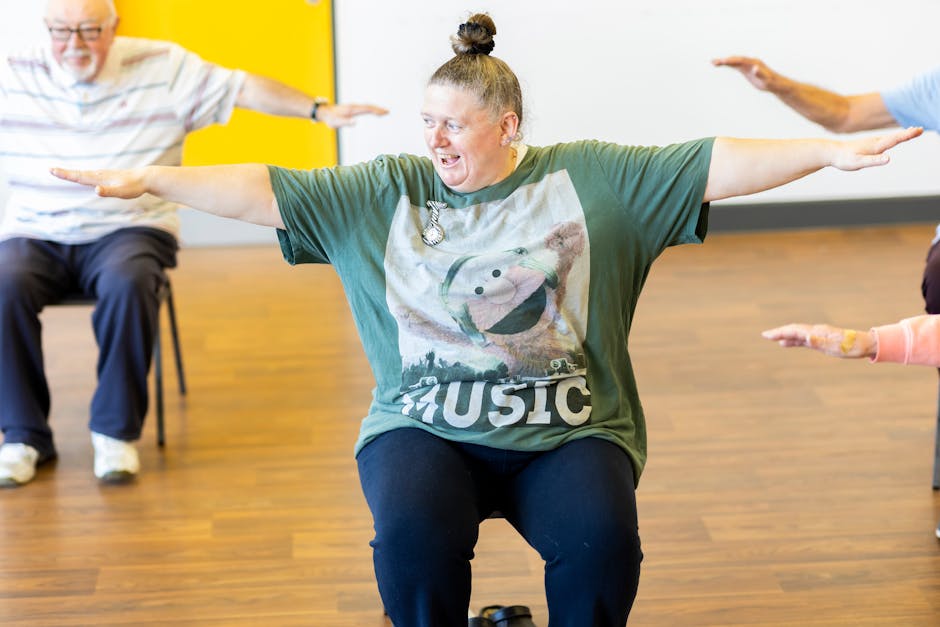
Not all day programs are created equal. Here’s how to evaluate one:
- Philosophy: Does the program treat participants as individuals with dignity? Do they talk about growth and independence, or just supervision?
- Person-centered planning: Does each person have a customized plan based on their goals? Or is everyone doing the same activities?
- Staff training: Are staff trained in autism, developmental disabilities, and person-centered care? Do they stay current?
- Community connection: Do participants actually go out into the community, or is everything in-house?
- Communication: How do they keep families in the loop? Do they share progress and listen to your input?
- Safety practices: What’s their approach to keeping participants safe while still encouraging growth?
- Flexibility: Can the program adapt if your loved one’s needs change?
Visit programs in person. Watch how staff interact with participants. Ask questions. Trust your gut.
How to Find Day Programs in Your Area
Start with your state’s disability services agency. They maintain lists of approved programs and can tell you about funding options.
If your loved one has a case manager, they’re an amazing resource. They know the local programs, can tell you which ones have good reputations, and can help navigate the application process.
You can also ask disability advocacy organizations, your neurologist or developmental pediatrician, and other families in your community. Word-of-mouth recommendations are gold.
Once you have a few options, request information, ask for references, and visit. Don’t rush this decision.
The Real Impact of Day Programs
Good day programs do more than just structure a day. They give autistic adults a place to belong, skills that increase independence, and meaningful ways to contribute to their community.
For families, they provide respite—time to work, handle other responsibilities, or just breathe. That matters. Caregiver burnout is real, and having reliable, quality daytime support can be life-changing.
People with autism and developmental disabilities thrive when they have opportunities to learn, create, participate, and feel included. Day programs, when done well, make that possible.
What if You Can’t Find a Good Fit?

If options are limited in your area or waiting lists are long, you’re not alone. Many regions have gaps in daytime services. It’s a real problem.
In the meantime, consider alternatives like small-group community outings, volunteer opportunities, peer mentoring, or part-time work experiences. Some families blend multiple services to create the support their person needs.
If you’re exploring residential or in-home support options alongside daytime programs, organizations like Anointed Homes LLC specialize in helping autistic and developmentally disabled adults live with dignity and independence in their own homes and communities.
Related: Adult Day Programs for Special Needs: What They Are & How to Find One
Building a Support Plan Around Day Programs
Day programs usually work best as part of a bigger support picture. Think about what your loved one needs from morning until evening, on weekdays and weekends.
Maybe day program takes care of weekday structure and learning. Then you layer in family time, recreational activities, and maybe some in-home support for evenings or mornings. Or maybe they’re in a day program five days a week and you do community outings on weekends.
There’s no perfect formula. The goal is creating a life that feels full, safe, and genuinely good.
Questions to Ask Before Enrolling
When you’re serious about a program, ask:
- What happens if my person has a bad day or becomes overwhelmed?
- How do you handle medical needs or behavioral support?
- What’s your communication style with families?
- How often do you adjust someone’s plan based on progress?
- What happens over summer or during school breaks?
- If it’s not working out, what’s the exit process?
Good programs want you to ask these questions. They have clear answers and aren’t defensive.
What’s the difference between a day program and a group home?
A day program is daytime support only—usually a few hours during the day. A group home is residential, meaning people live there. Some people use both. Day programs focus on skill-building and community during the day. Group homes provide 24/7 living support. They serve different needs.
Does my autistic adult need to be able to communicate verbally to attend day programs?
No. Quality programs support people with different communication styles—verbal, nonverbal, AAC devices, picture boards, body language. Good programs train staff to understand and communicate with everyone, not just people who speak.
How long does it typically take to get into a day program?
It depends. Some programs have immediate openings. Others have waiting lists that could be months or longer. Start the process early. Contact your case manager and state disability services agency to understand timelines in your area. In the meantime, explore interim options so your person stays engaged.
Can I visit a day program before enrolling?
Absolutely. You should. Good programs welcome family visits and are transparent about what happens there. Visit during active programming so you can see how staff interact with participants and what the daily routine looks like. If a program is reluctant to let you visit, that’s a red flag.