

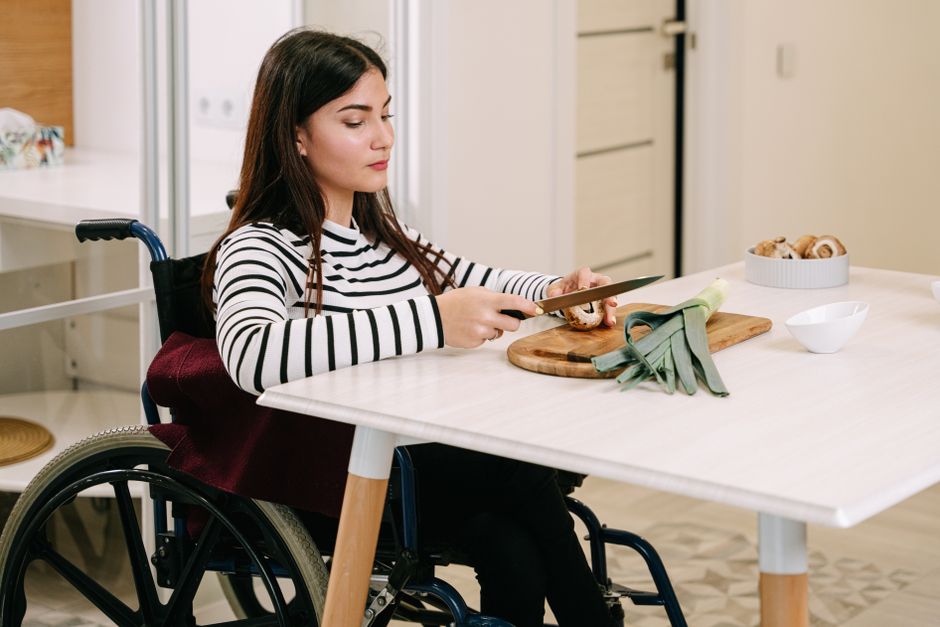
Safe home care for disabled adults in Indiana starts with understanding what your loved one needs to stay comfortable, independent, and protected right where they live. Whether your family member uses a wheelchair, needs help with daily tasks, or requires ongoing support to manage their health and routine, the right combination of home modifications, personalized care planning, and trained support can make all the difference.
The good news is that you don’t have to figure this out alone. In-home care services, home safety upgrades, and care coordination are all within reach in Indiana, and they’re designed to help adults with disabilities thrive at home instead of moving into a facility.
Start With a Personalized Care Plan
Every disabled adult has different needs, and a one-size-fits-all approach won’t work. The first step toward safe home care is sitting down to create a personalized care plan that reflects your loved one’s specific situation.
A good care plan looks at:
- Daily living activities (bathing, dressing, cooking, toileting)
- Mobility management and movement around the home
- Medical or health-related support
- Community activities and social connection
- Emergency procedures and safety protocols
Your plan should be flexible and reviewed regularly as your loved one’s needs change. If you’re looking for guidance on building this foundation, Anointed Homes LLC can help you develop a care plan that works for your family’s real life, not just on paper.
Make Your Home Physically Safe With Modifications
Home modifications are one of the most practical ways to keep a disabled adult safe and independent. You don’t need to renovate your entire house; small, smart changes can prevent injuries and make daily tasks easier.
Consider these common home modifications:
- Grab bars and railings in bathrooms and hallways
- Ramps or threshold removal for wheelchair access
- Improved lighting, especially in stairways and bathrooms
- Accessible door handles and lever-style faucets
- Removing tripping hazards like loose rugs or clutter
- Accessible kitchen storage and adjustable counters
- Emergency alert systems or accessible phones
Start by identifying the biggest safety risks in your home. If your loved one uses a wheelchair, mobility is a priority. If they fall risk is high, focus on grab bars and removing obstacles. Work with your case manager or a home safety evaluator to prioritize changes based on your budget and your loved one’s specific disabilities.
Bring in Professional In-Home Care Support
Even with the best home setup, most families benefit from trained caregivers who can help with daily living tasks, mobility, and overall safety. In-home care workers can provide direct assistance while respecting your loved one’s dignity and preferences.
What in-home care typically includes:
- Assistance with bathing, dressing, and personal hygiene
- Meal preparation and feeding support
- Help with mobility and transferring (including wheelchair use)
- Medication reminders and health management
- Household tasks like laundry and cleaning
- Companionship and community integration support
- Respite care so family caregivers can rest
The level of support you choose depends on your loved one’s specific needs and your family’s situation. Some families need full-time care; others benefit from part-time or respite support. Care costs vary by provider and level of need, so ask for a personalized quote based on your circumstances.
Related: Respite Care for Disabled Adults in Indiana: A Family Guide
Related: Respite Care for Primary Caregivers in Indiana: A Complete Guide
Understand Care Coordination and Support Systems
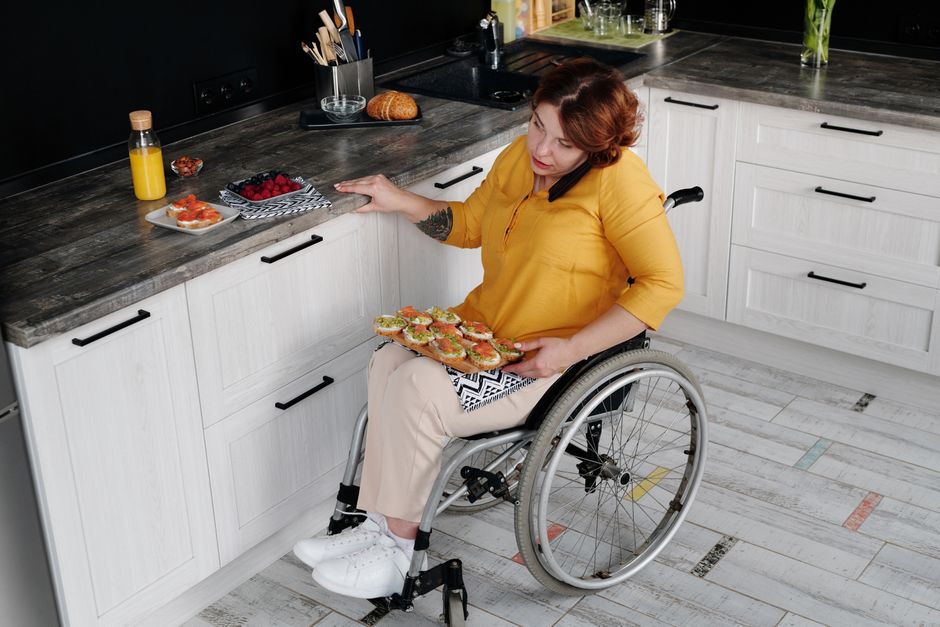
If you’re new to disability services in Indiana, the system can feel overwhelming. Care coordination connects you with the right resources and helps organize everything so your loved one gets consistent, safe support.
Care coordinators can help you:
- Navigate Medicaid waivers and funding options
- Connect with in-home care agencies
- Arrange home modifications and accessibility services
- Plan for emergencies and changes
- Access community programs and social activities
Your case manager is a great starting point. They understand Indiana’s disability services system and can recommend local providers and programs. If you don’t have a case manager yet, contact your local Indiana Family and Social Services Administration office to learn about available support.
Support Aging in Place and Community Inclusion
Many families want their loved ones to age in their own homes rather than move to a facility. Aging in place is possible when you combine appropriate home modifications, professional care support, and regular plan adjustments as needs change.
Safe home care isn’t just about preventing accidents, though. It’s also about supporting your loved one to live a full life, maintain relationships, and participate in their community. Your care plan should include time for activities they enjoy, visits with friends and family, and community outings when possible.
Whether your loved one is in their 20s, 50s, or older, the goal is the same: keeping them safe, supported, and living the life they want in the place they call home. If you need help coordinating these pieces together, Anointed Homes LLC specializes in residential support and community integration for adults with developmental disabilities right here in Indiana.
Take the Next Step Toward Safe Home Care
Creating a safe home care plan doesn’t happen overnight, but it doesn’t have to be complicated either. Start by evaluating your loved one’s current needs, talk to your case manager about resources and funding, and bring in professional support where it fills the biggest gaps in your family’s ability to provide safe, consistent care.
The right combination of home modifications, trained caregivers, and care coordination can help your loved one stay safe, independent, and happy at home for years to come. When you’re ready to explore in-home care options, respite support, or residential habilitation services tailored to Indiana families, reach out to Anointed Homes LLC to see how they can help your family.
What home modifications are most important for wheelchair users?
Ramps (or threshold removal), accessible doorways, grab bars in bathrooms and hallways, and clear pathways through the home are the top priorities. You might also need to adjust kitchen or bedroom furniture height to make daily tasks easier. Start with the areas your loved one uses most and work with an accessibility specialist if possible.
How do I know if my loved one qualifies for in-home care services in Indiana?
Eligibility varies depending on your loved one’s age, disability type, and whether you’re using Medicaid funding or private pay. Contact your case manager or local Indiana Family and Social Services Administration office to discuss your situation. They can explain what services might be available and help you understand the application process.
Can my loved one receive in-home care while aging in place?
Yes. In-home care is designed to support adults who want to remain in their own homes as they age or manage long-term disabilities. Your care plan should be reviewed and updated regularly as needs change, and your support team can adjust services to match your loved one’s situation over time.
How much does in-home care cost in Indiana?
Care costs vary widely based on the level of support needed, the provider, and whether you’re using Medicaid or paying privately. There’s no standard price across Indiana. Ask your case manager and potential care providers for a personalized quote so you know what to expect for your loved one’s specific needs.